
Overshirts




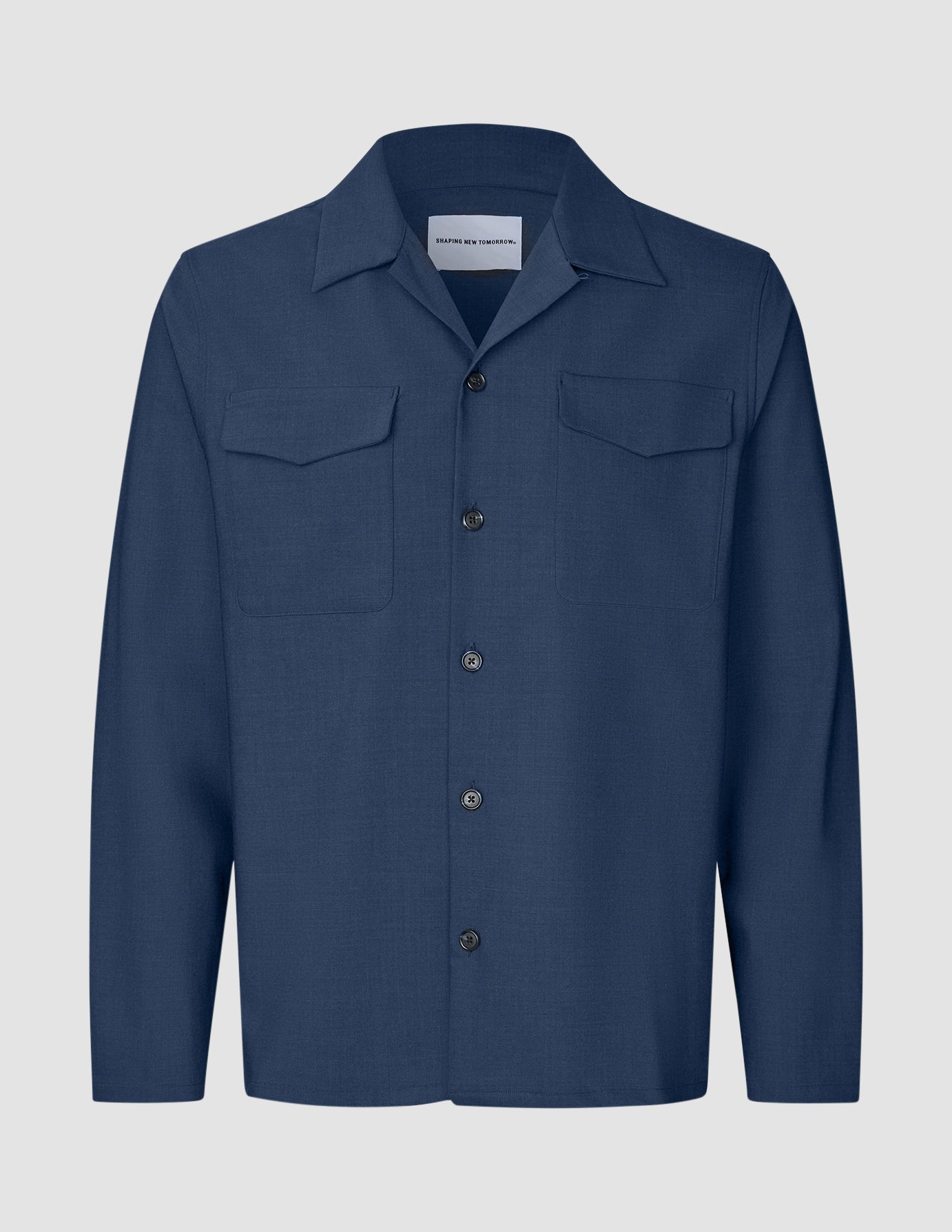
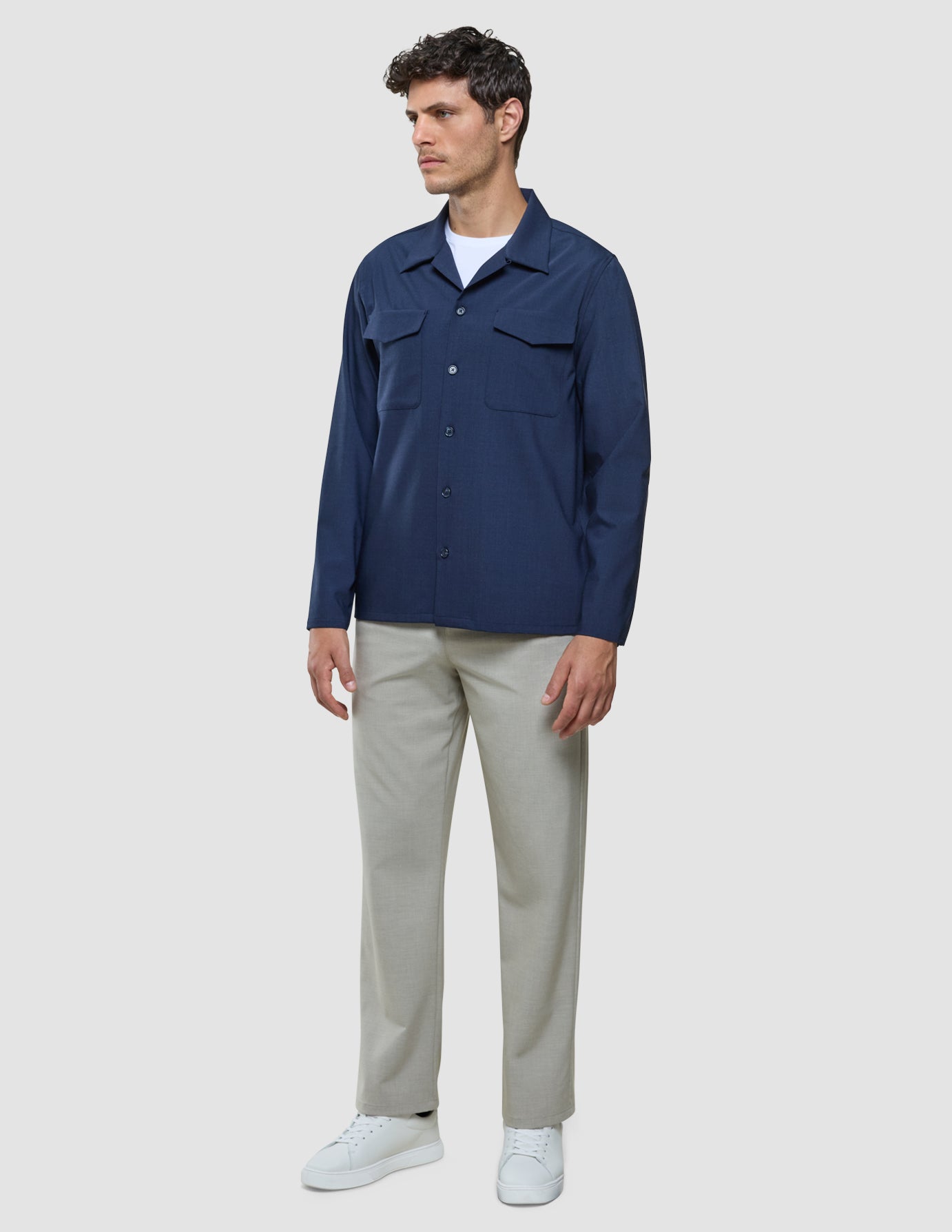
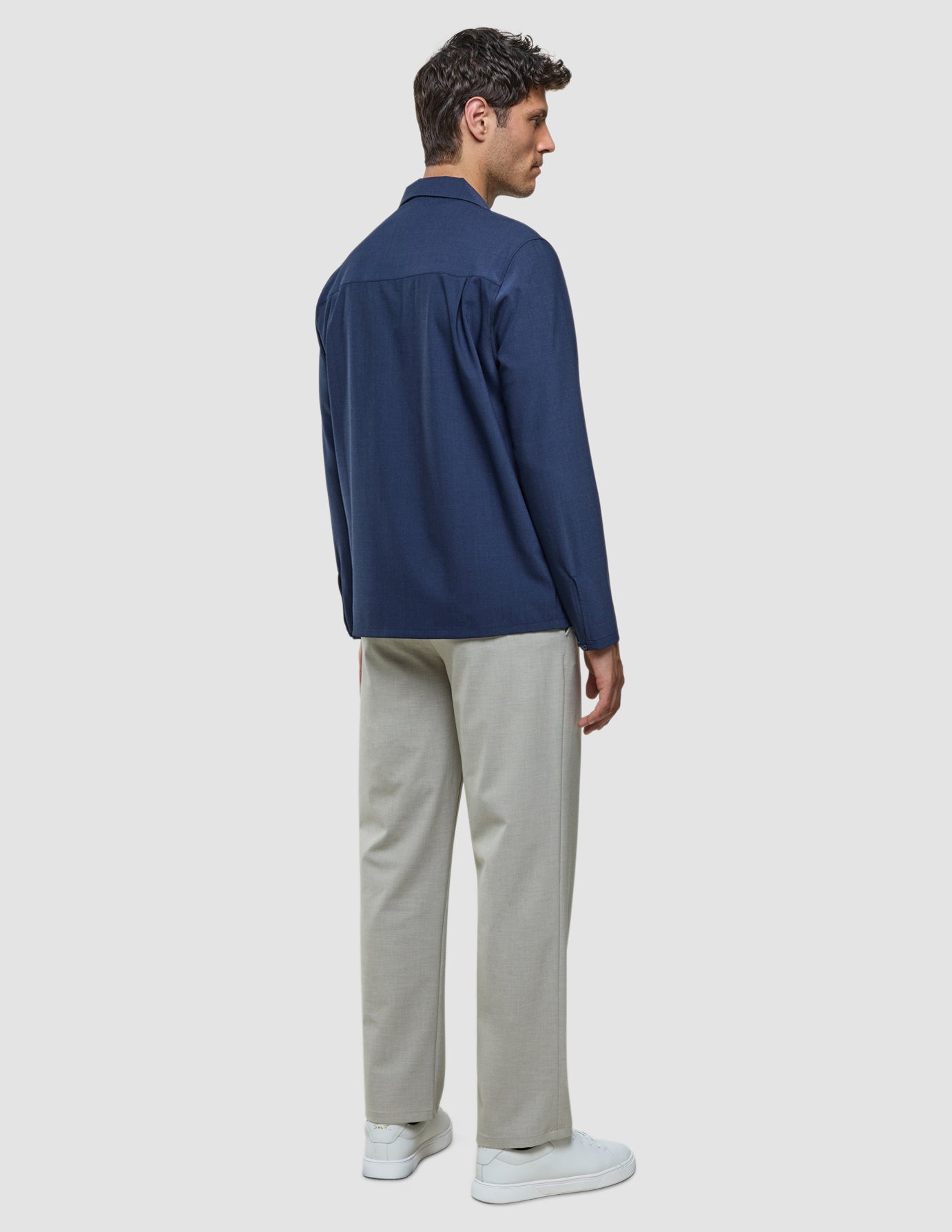
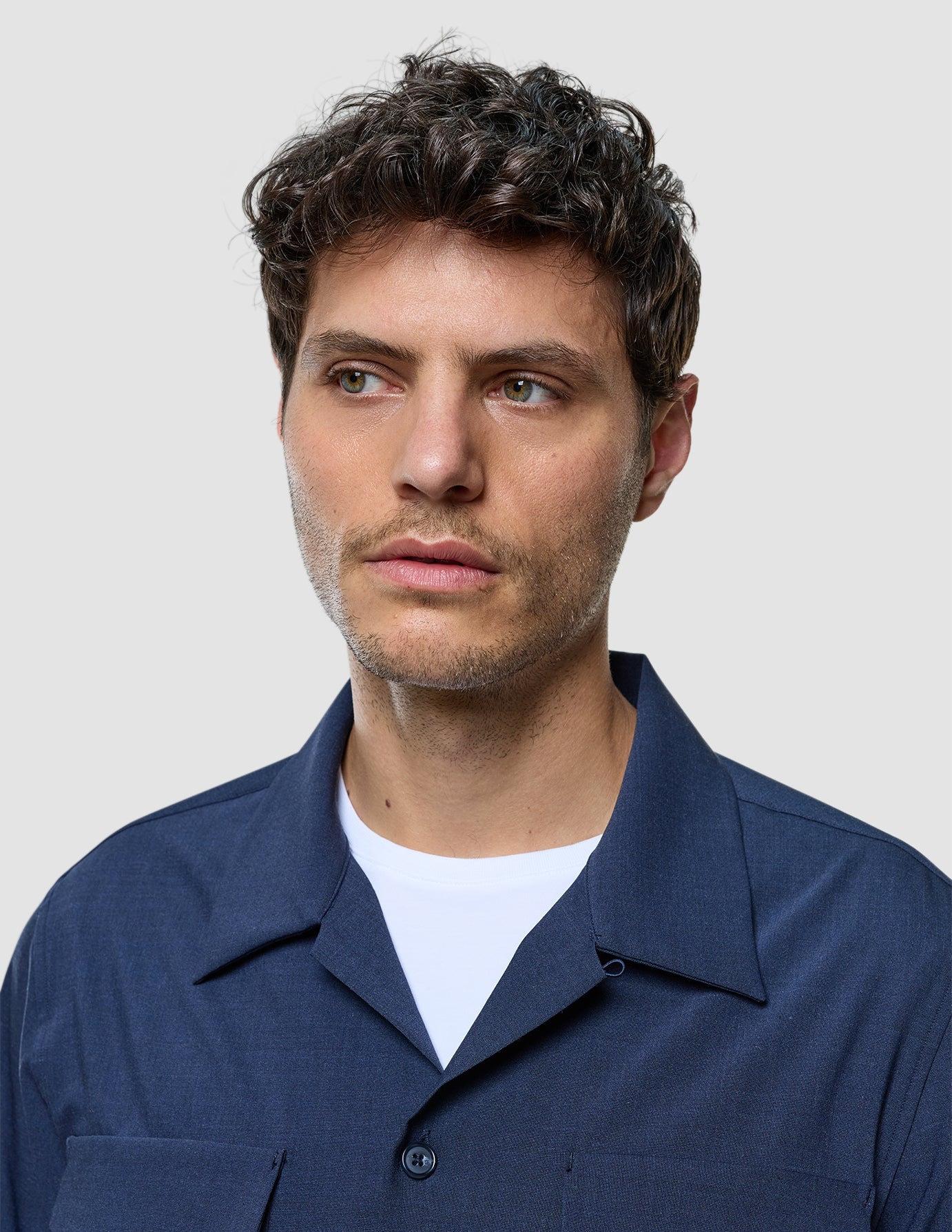
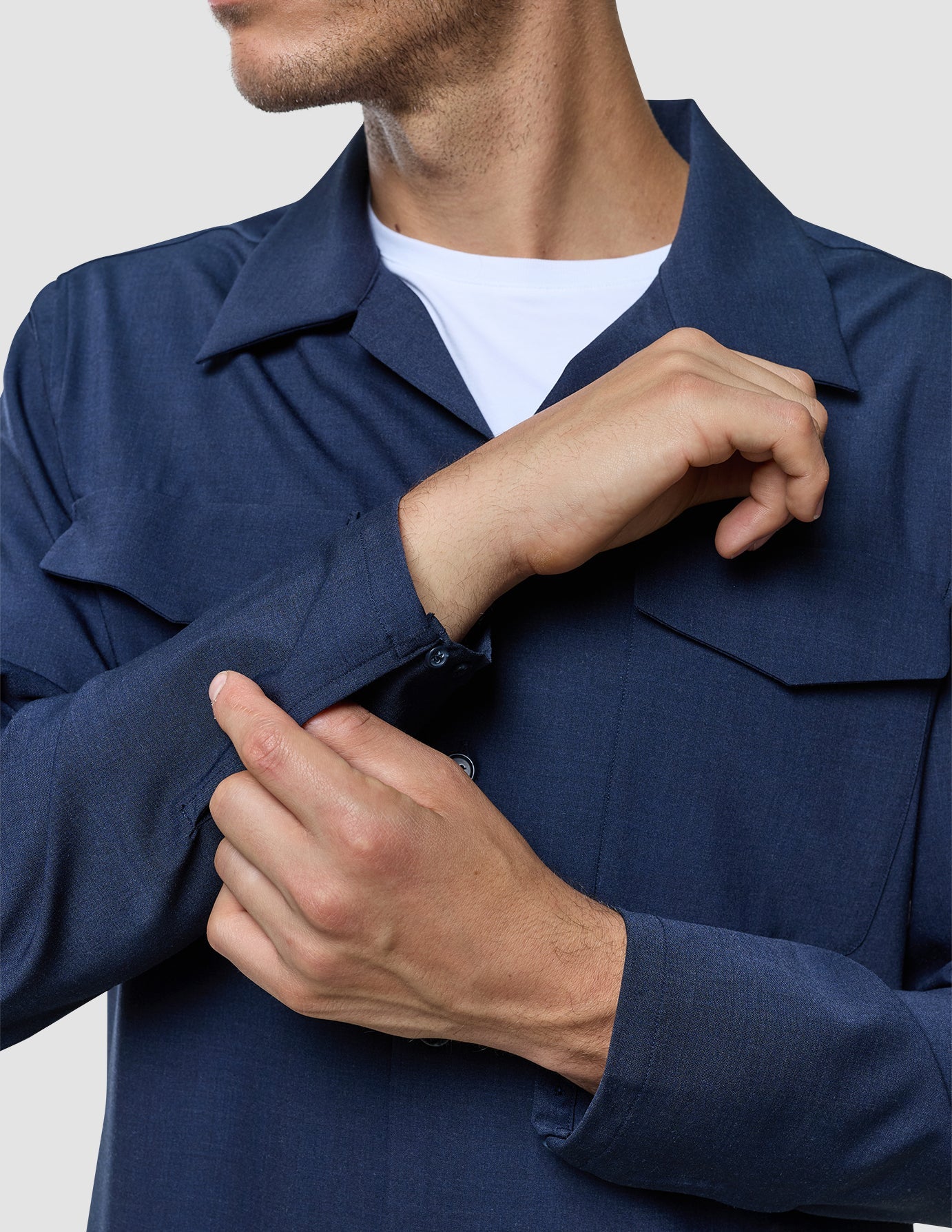
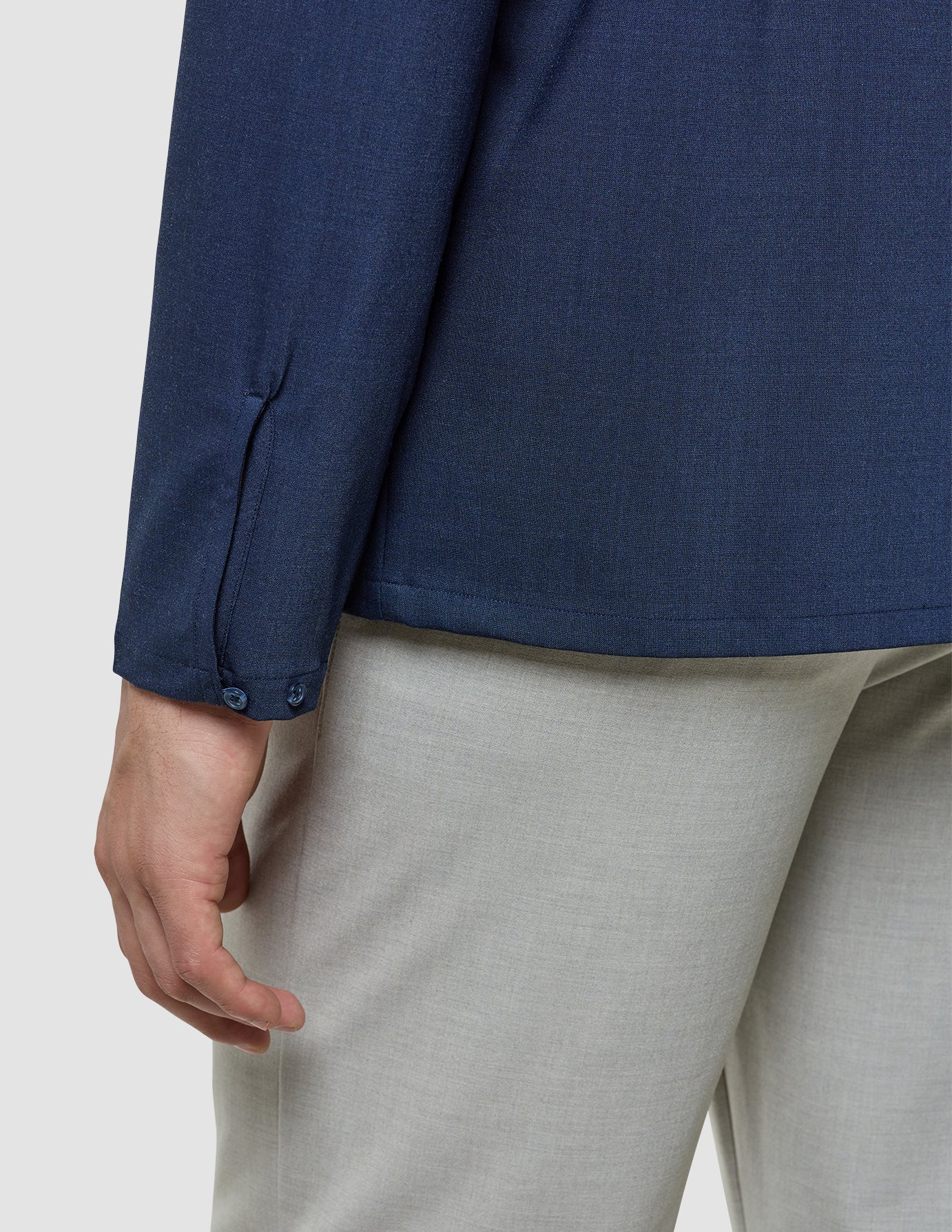


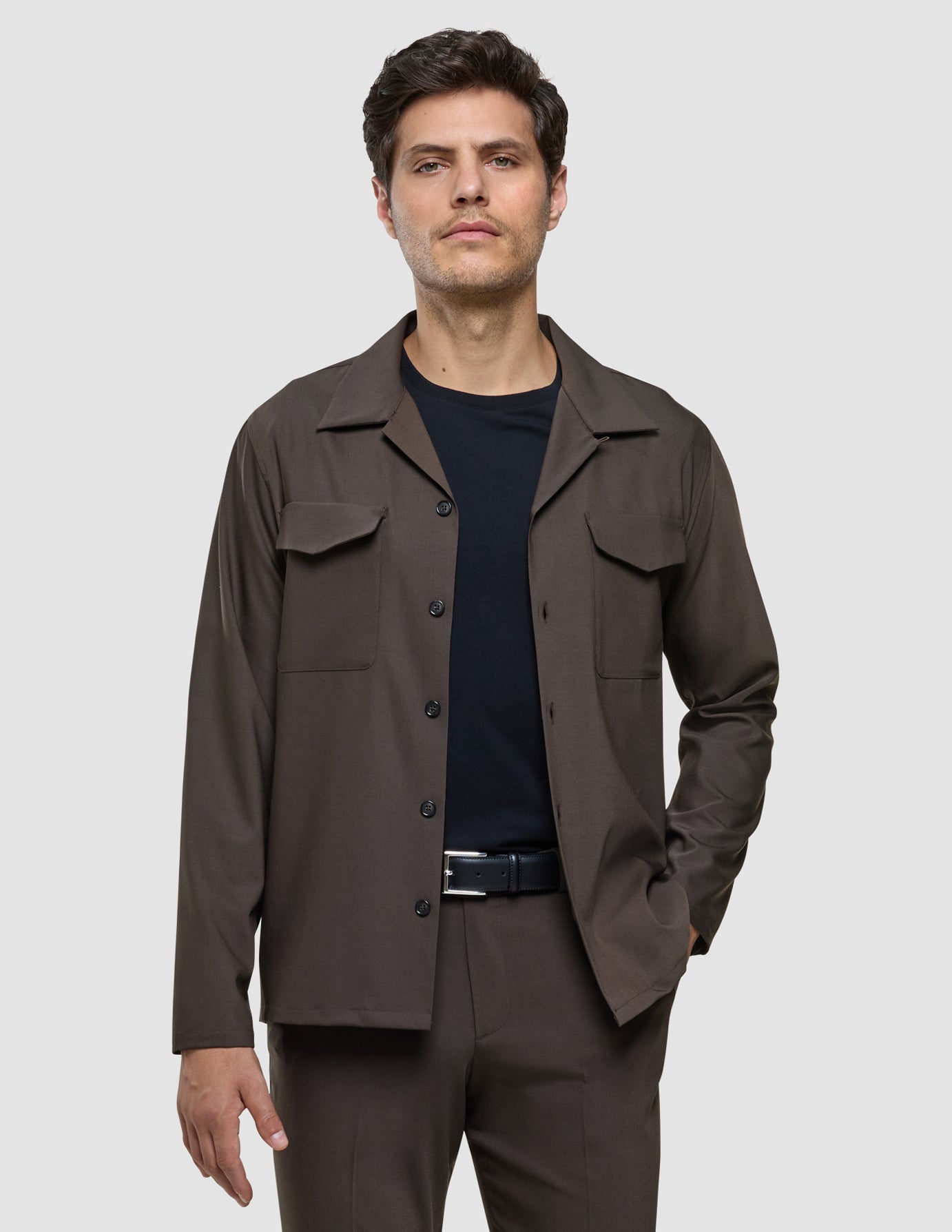
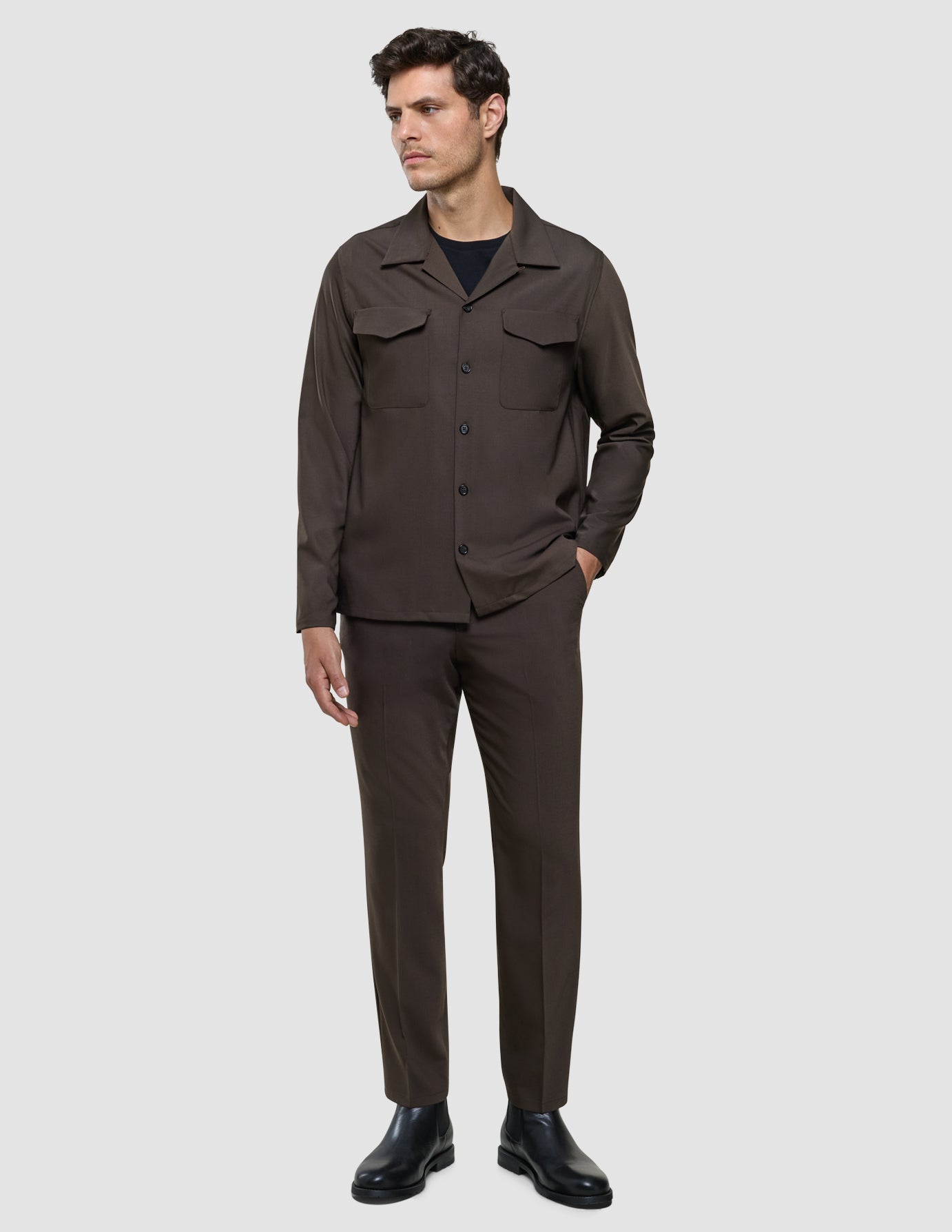
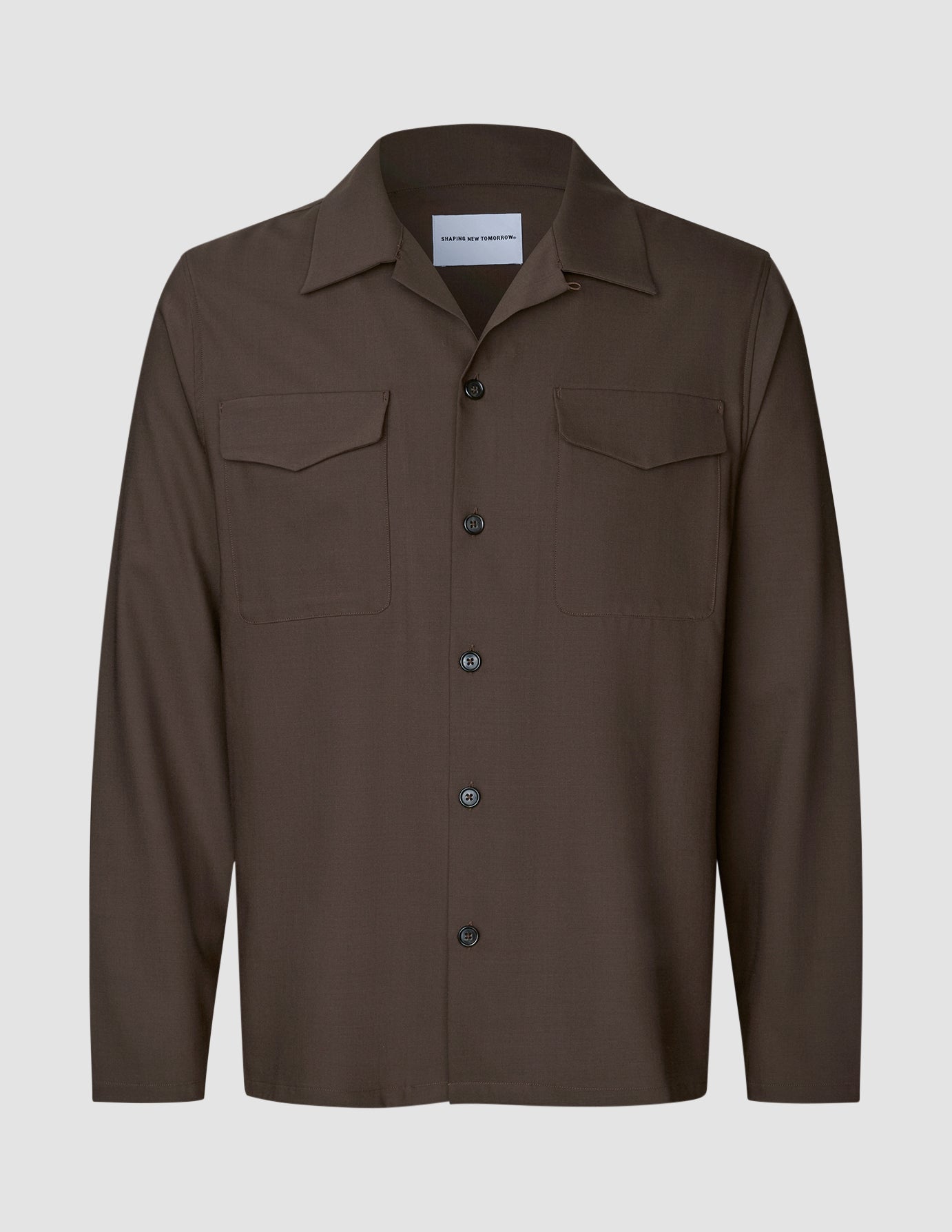
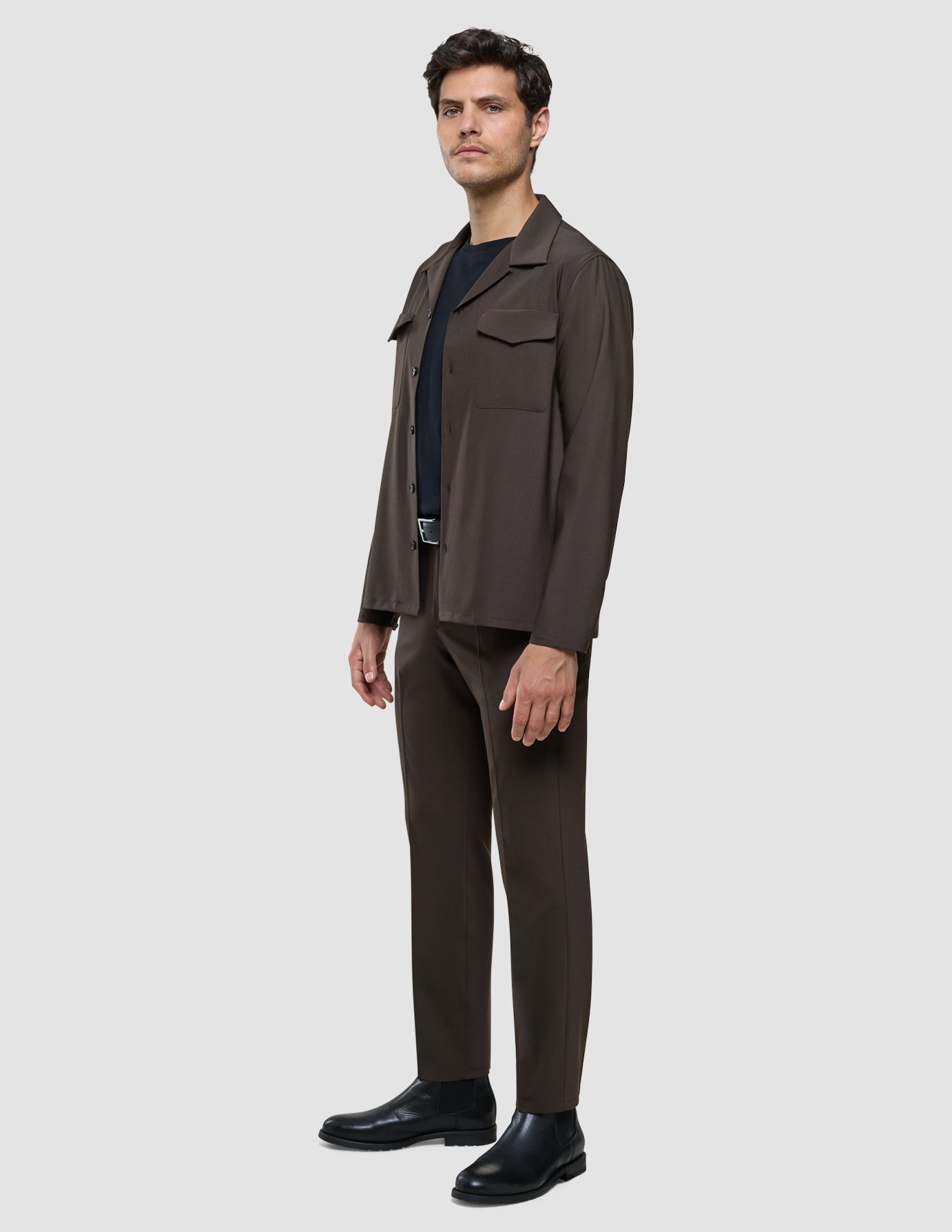
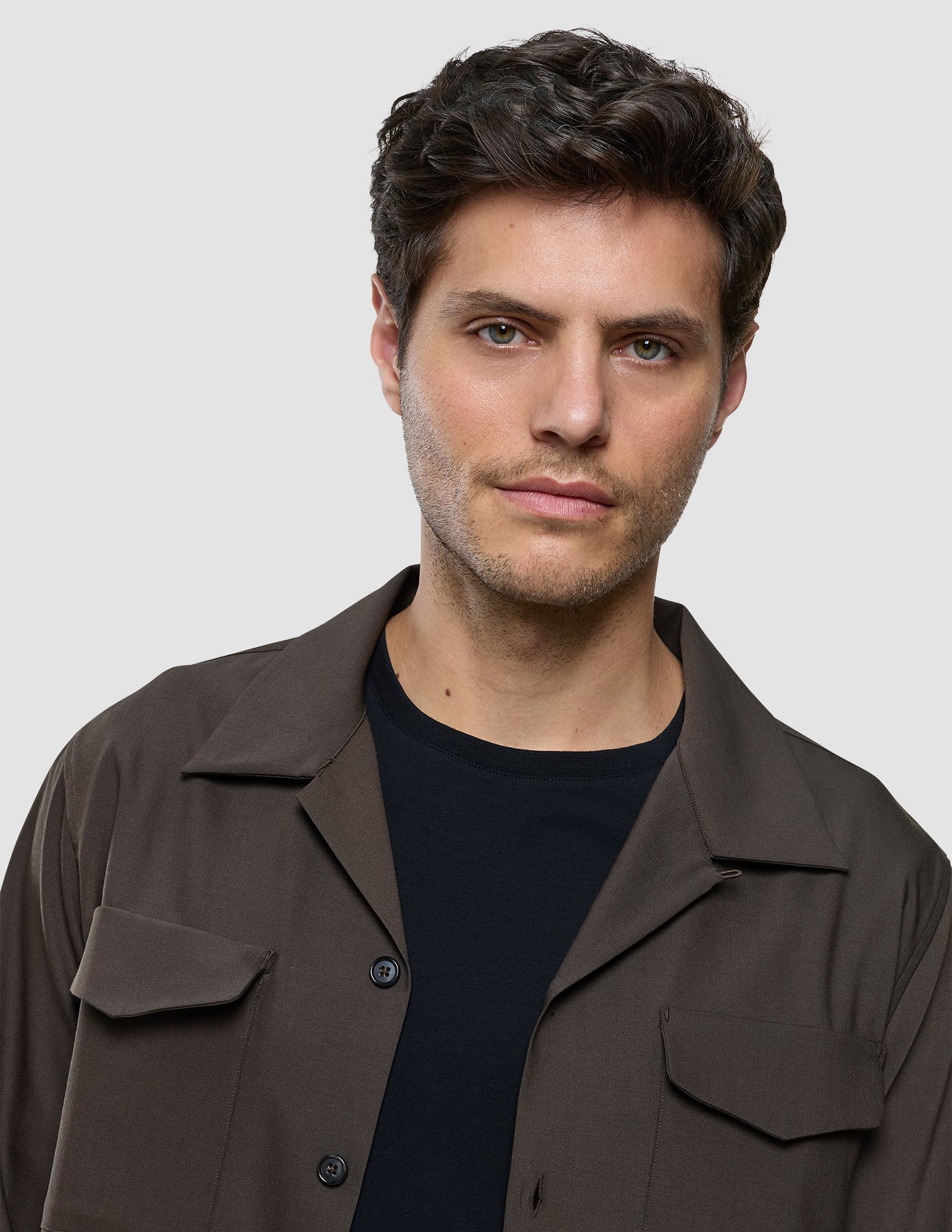
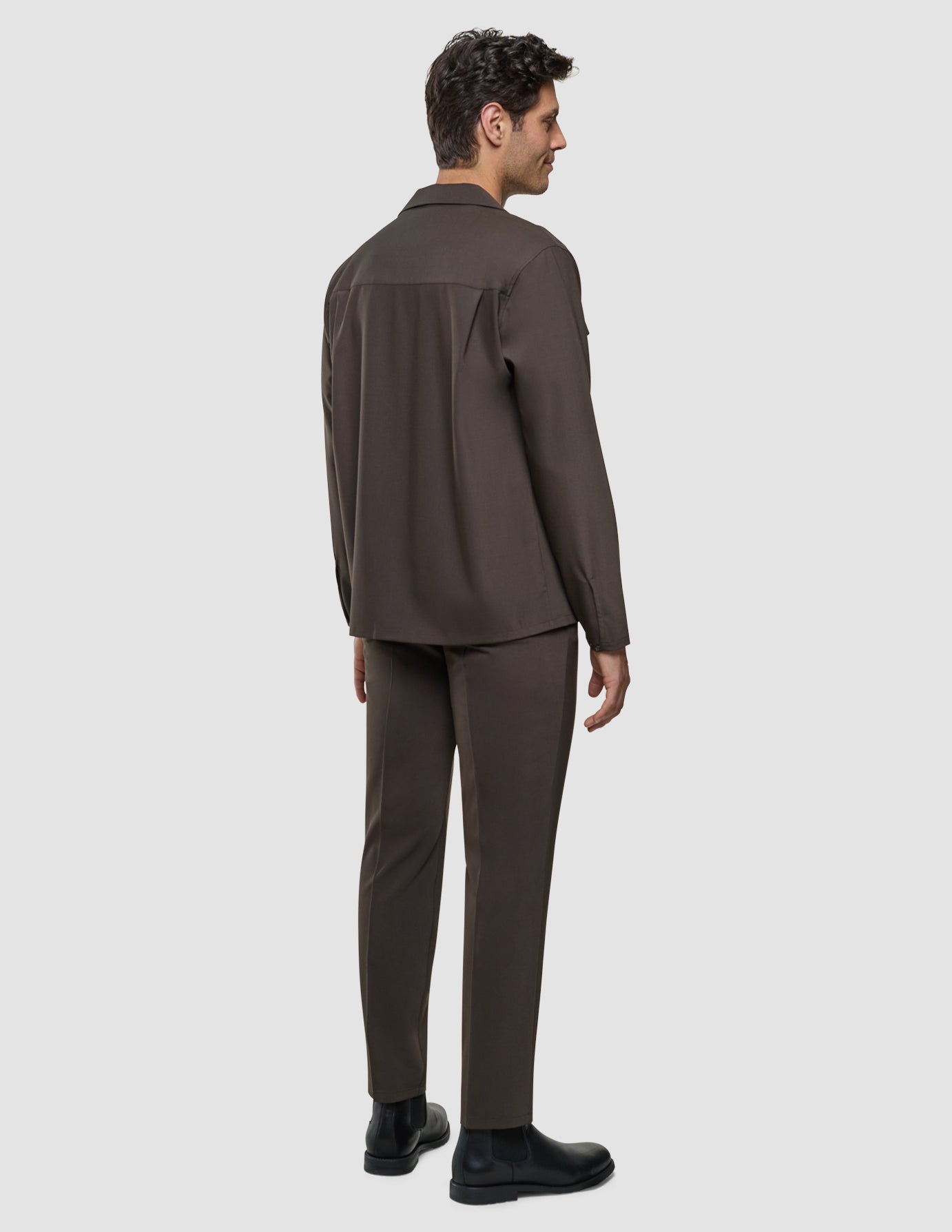


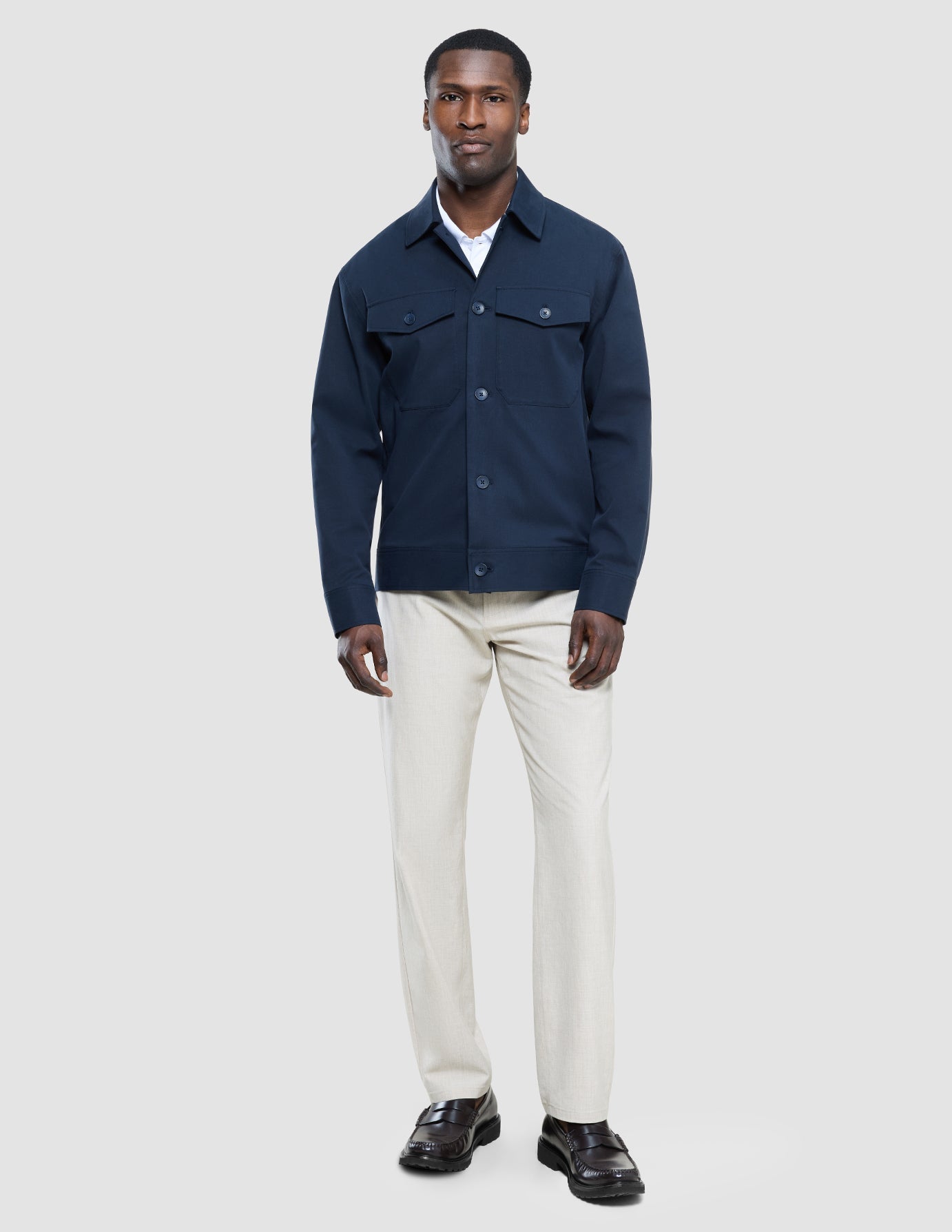
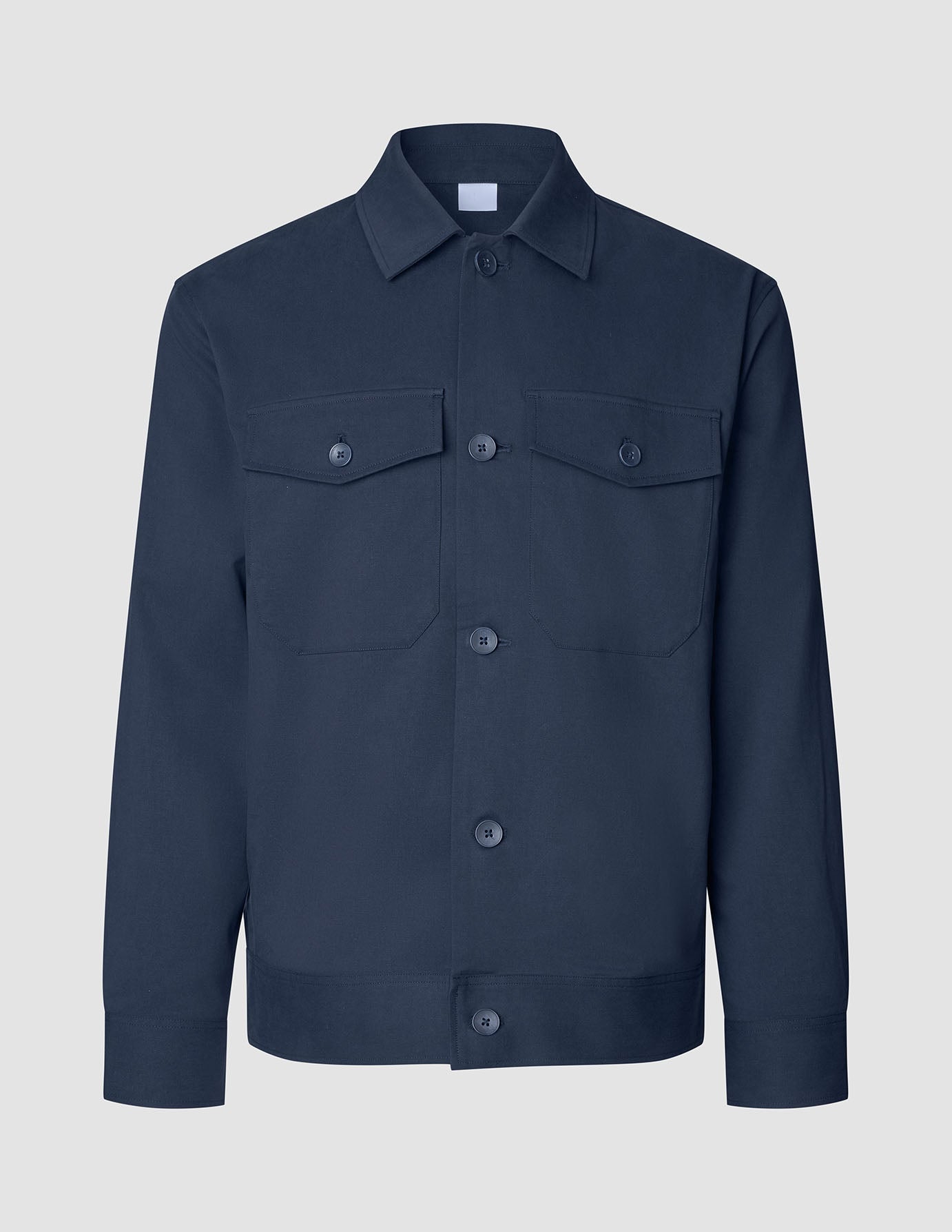
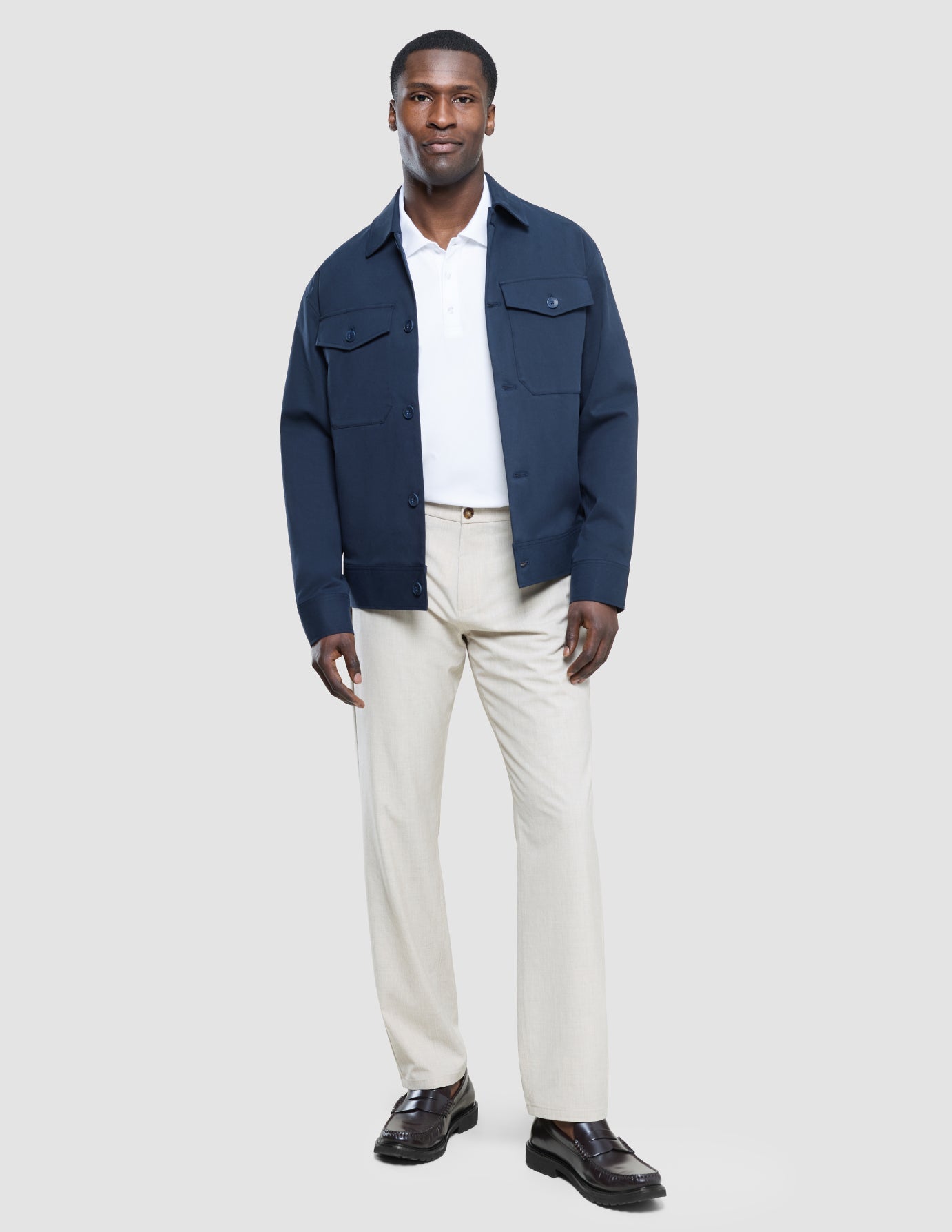
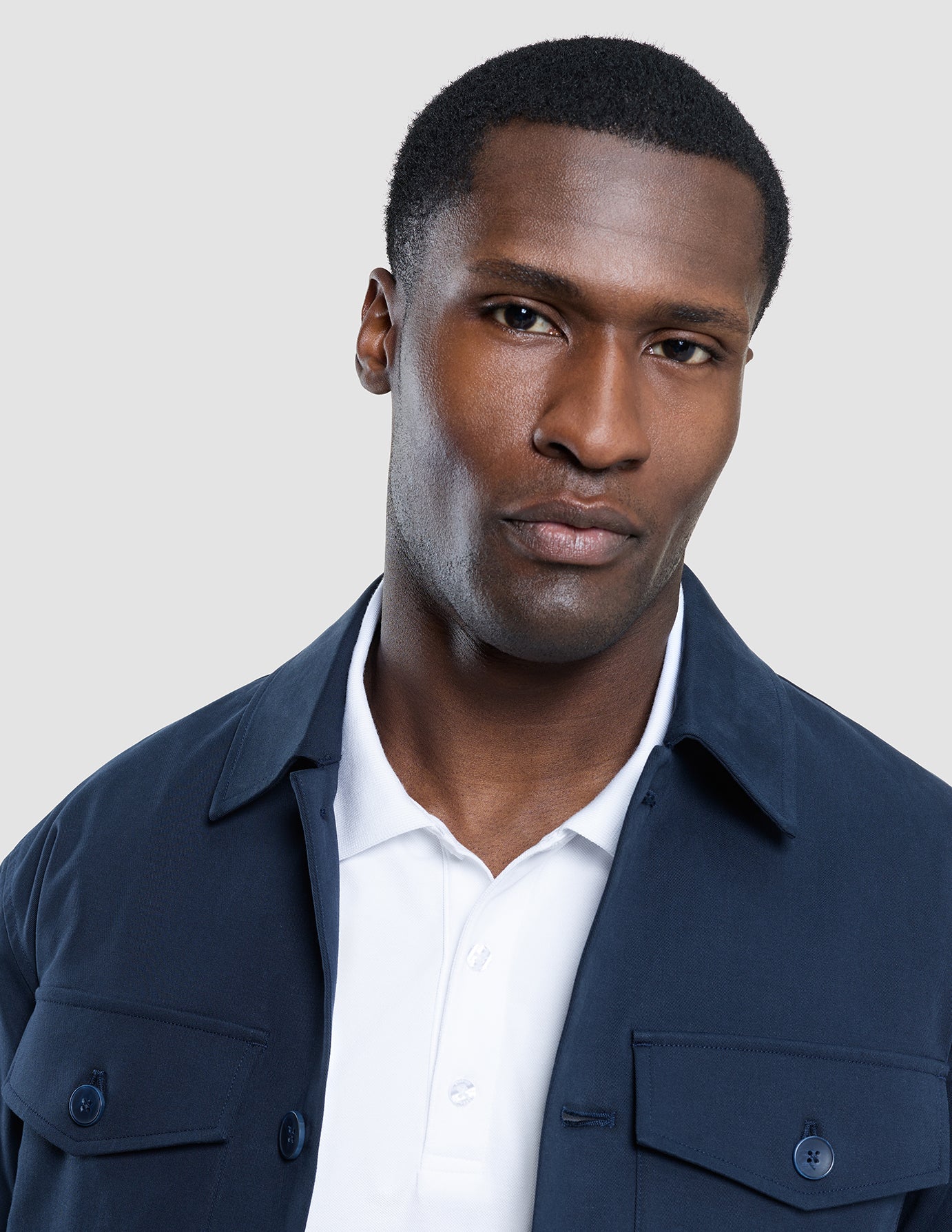
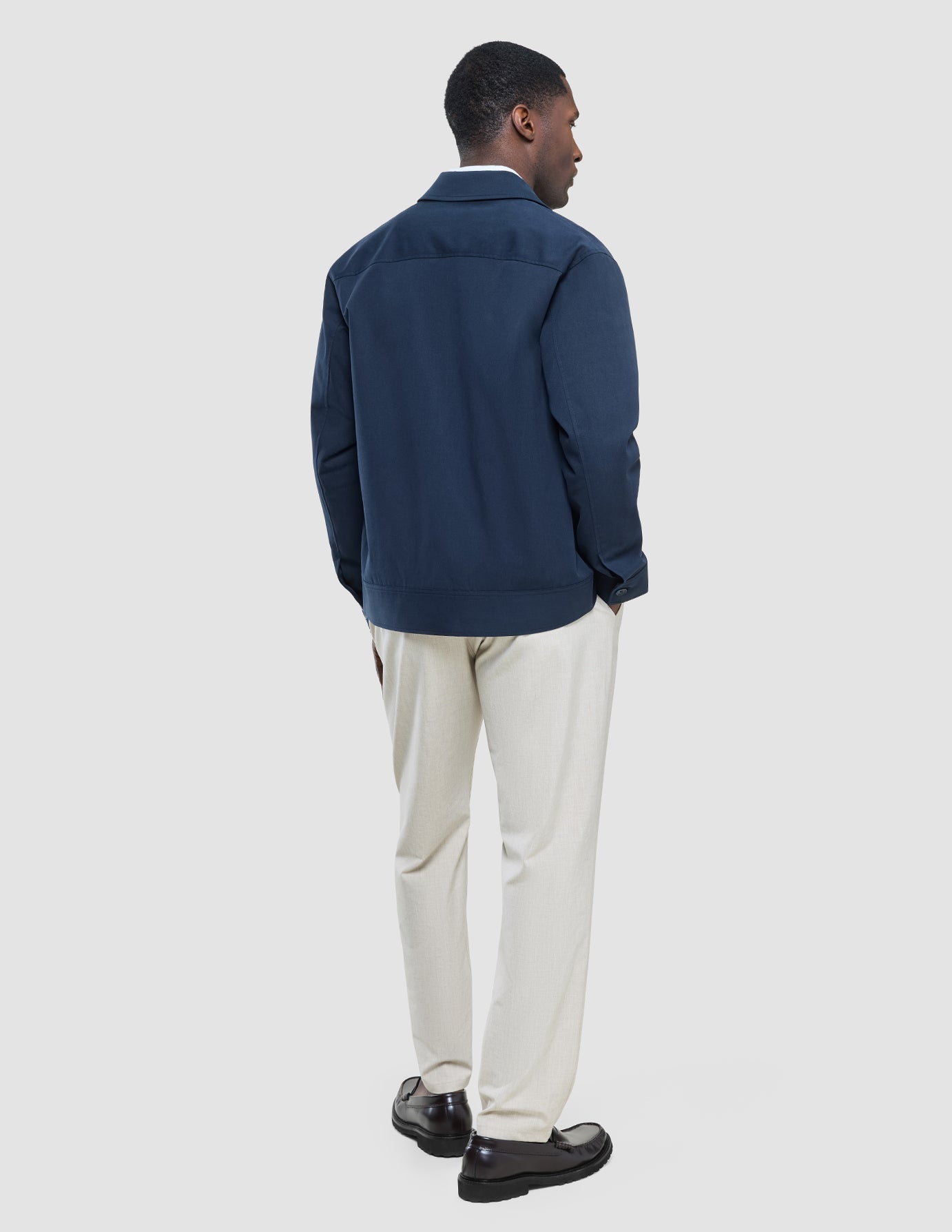
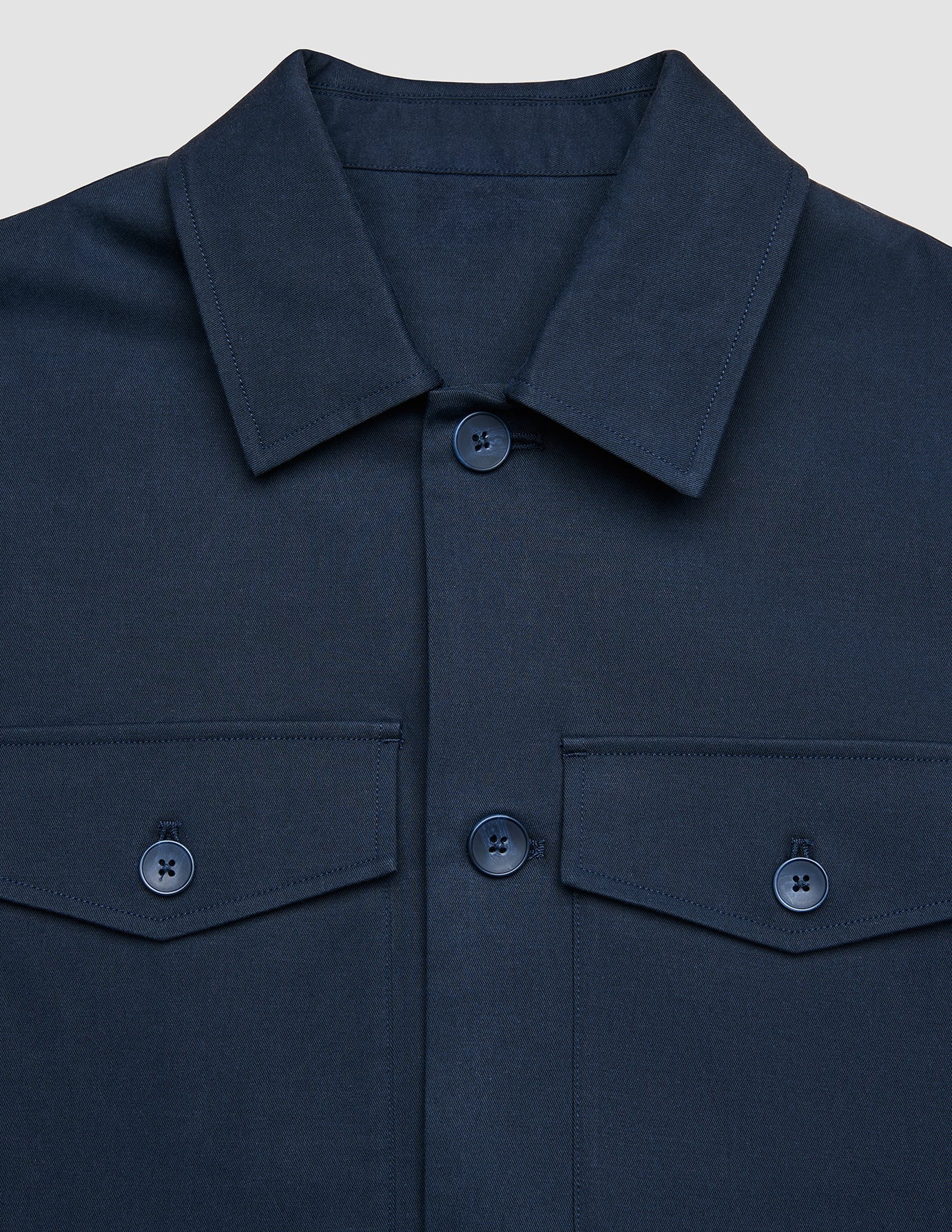


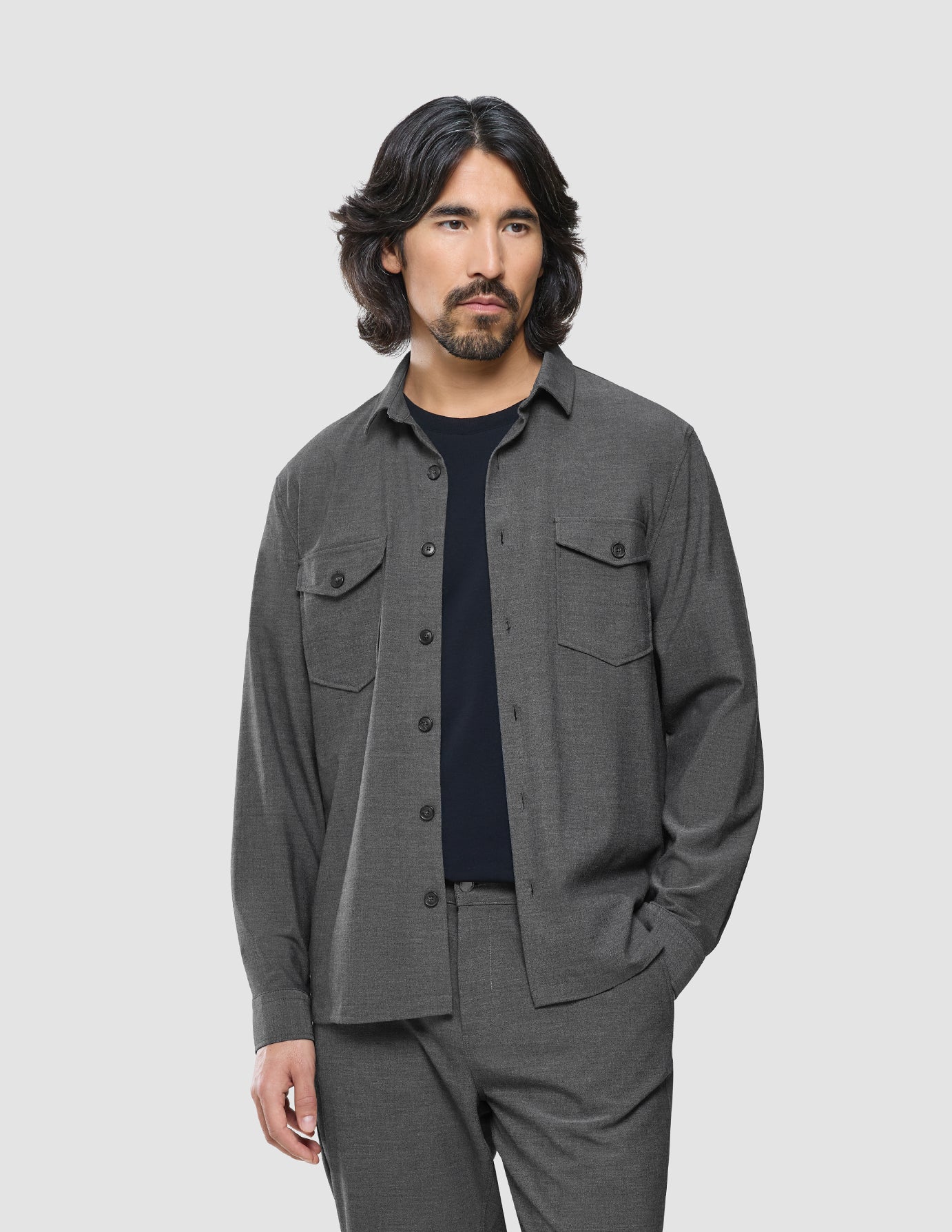


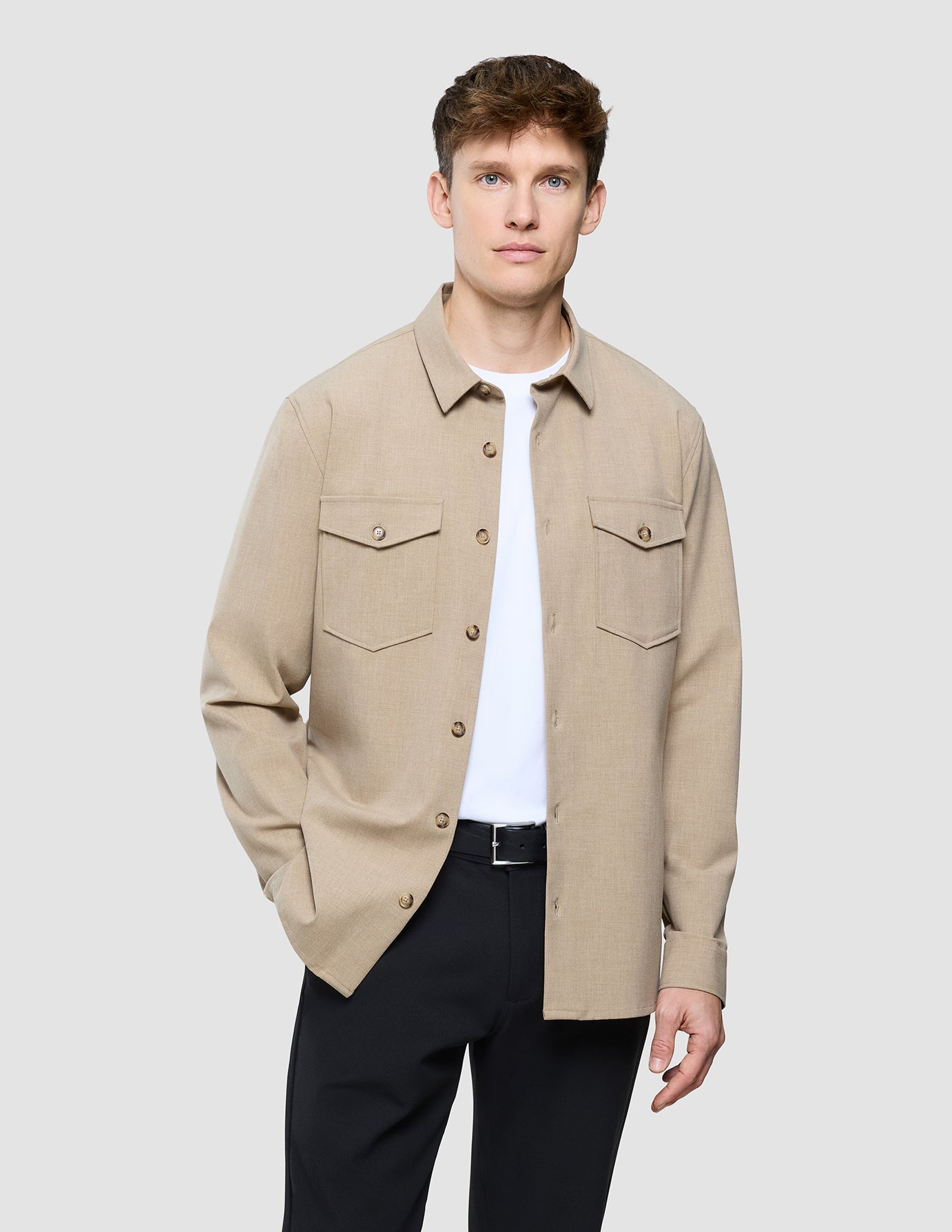
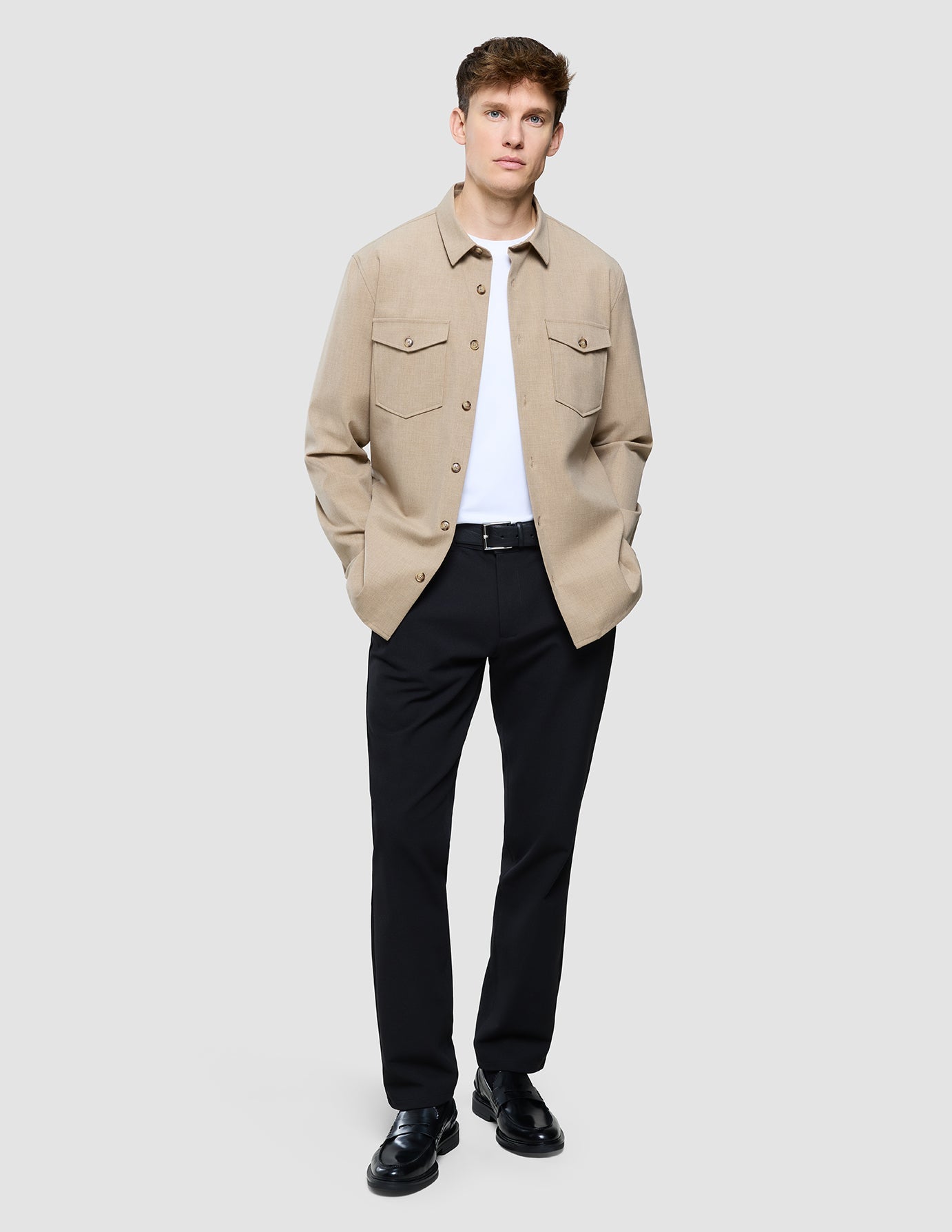
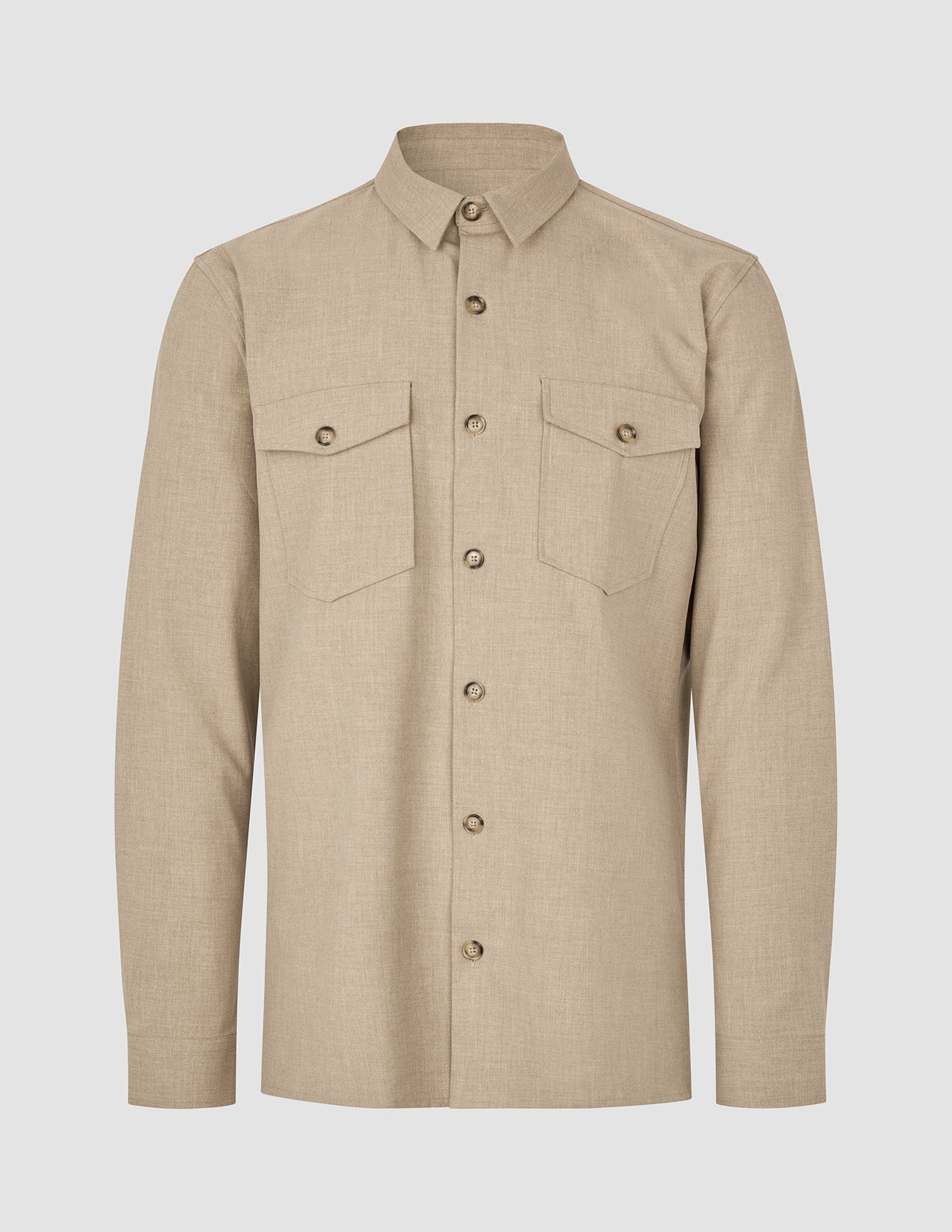
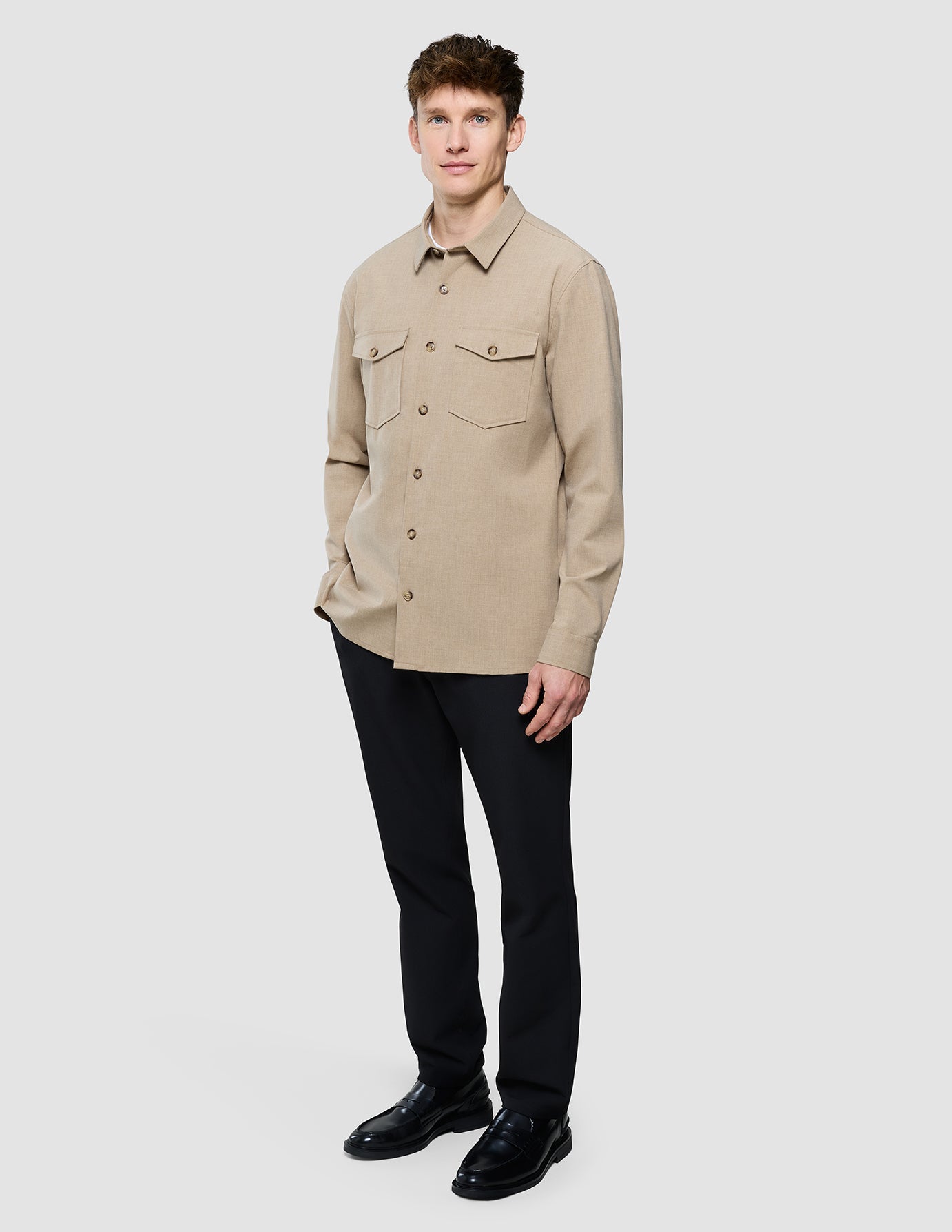
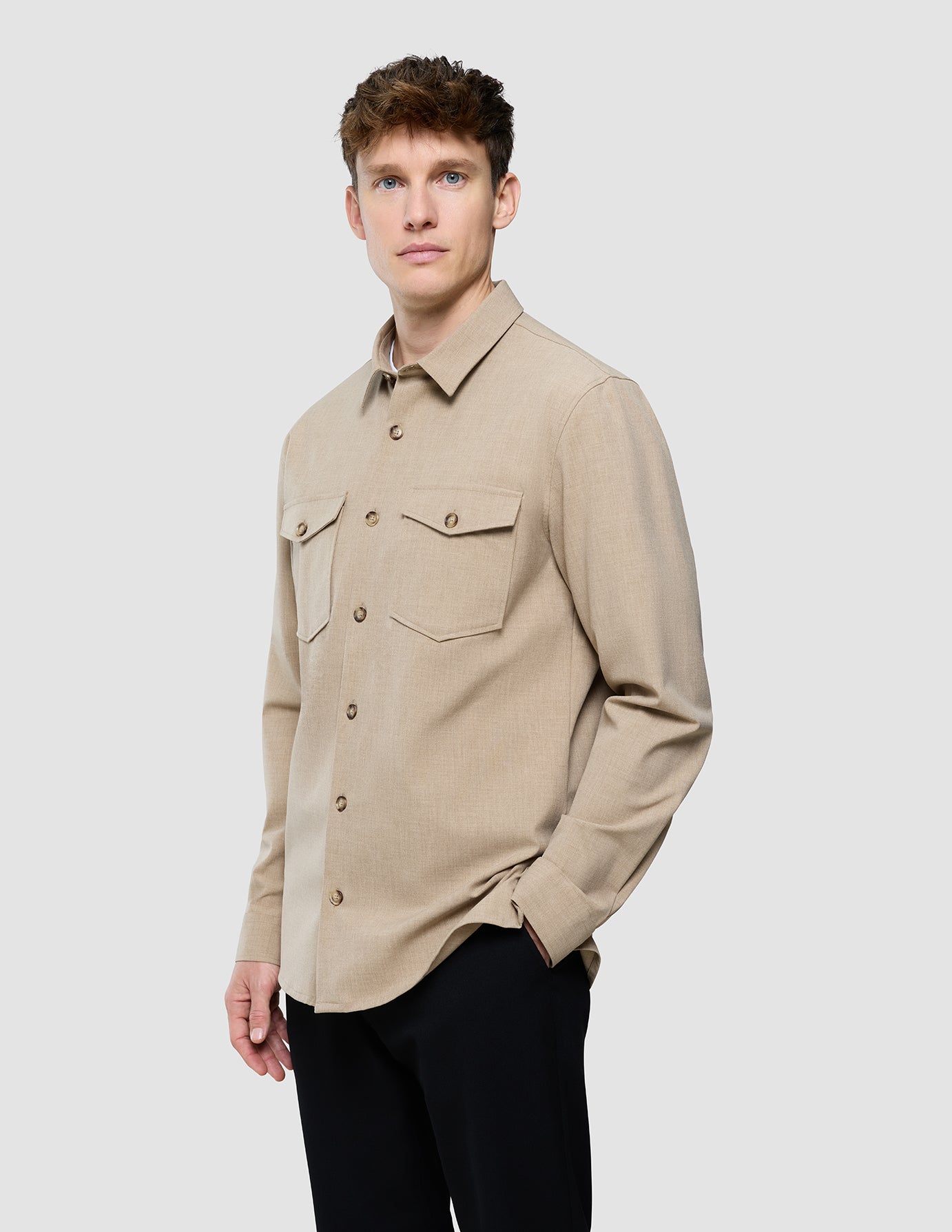
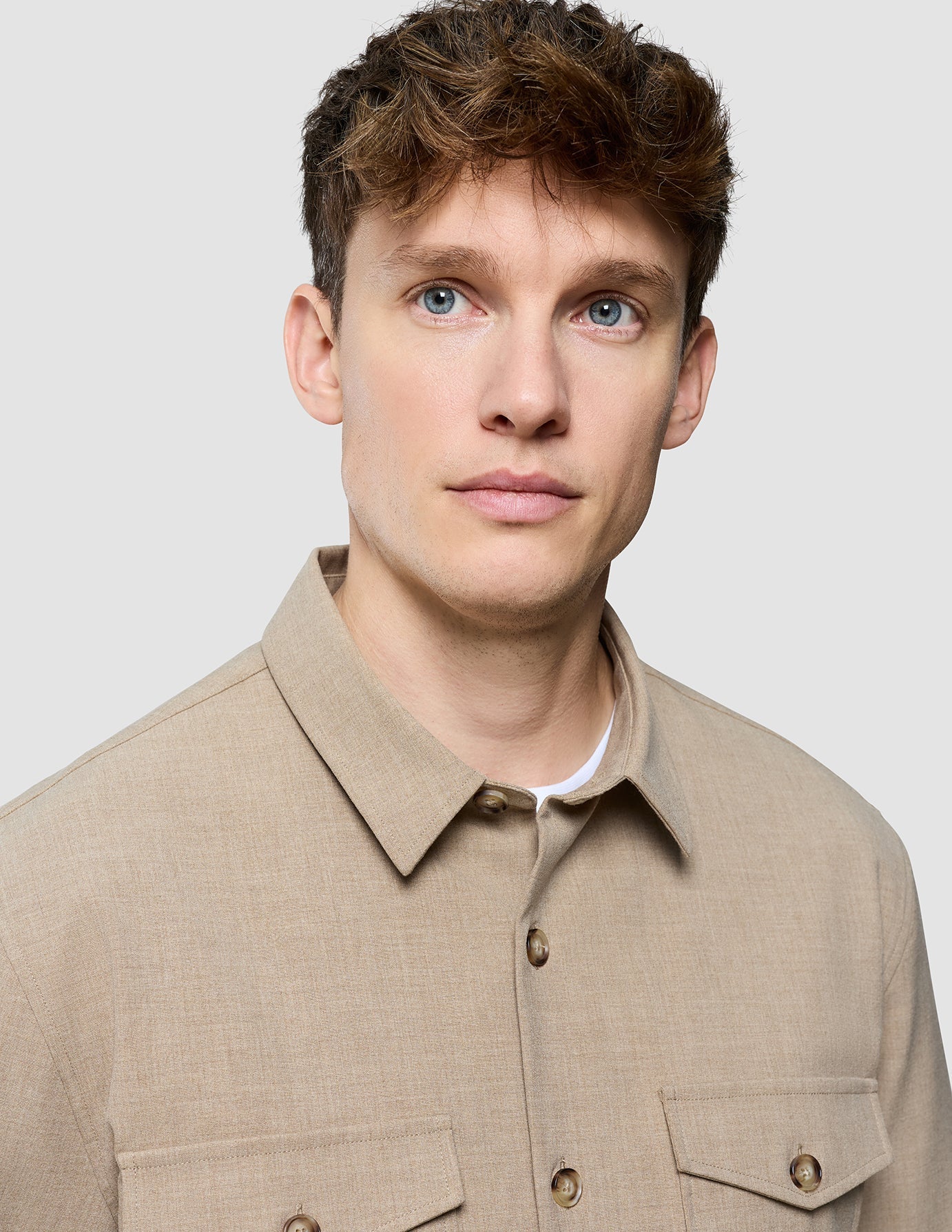
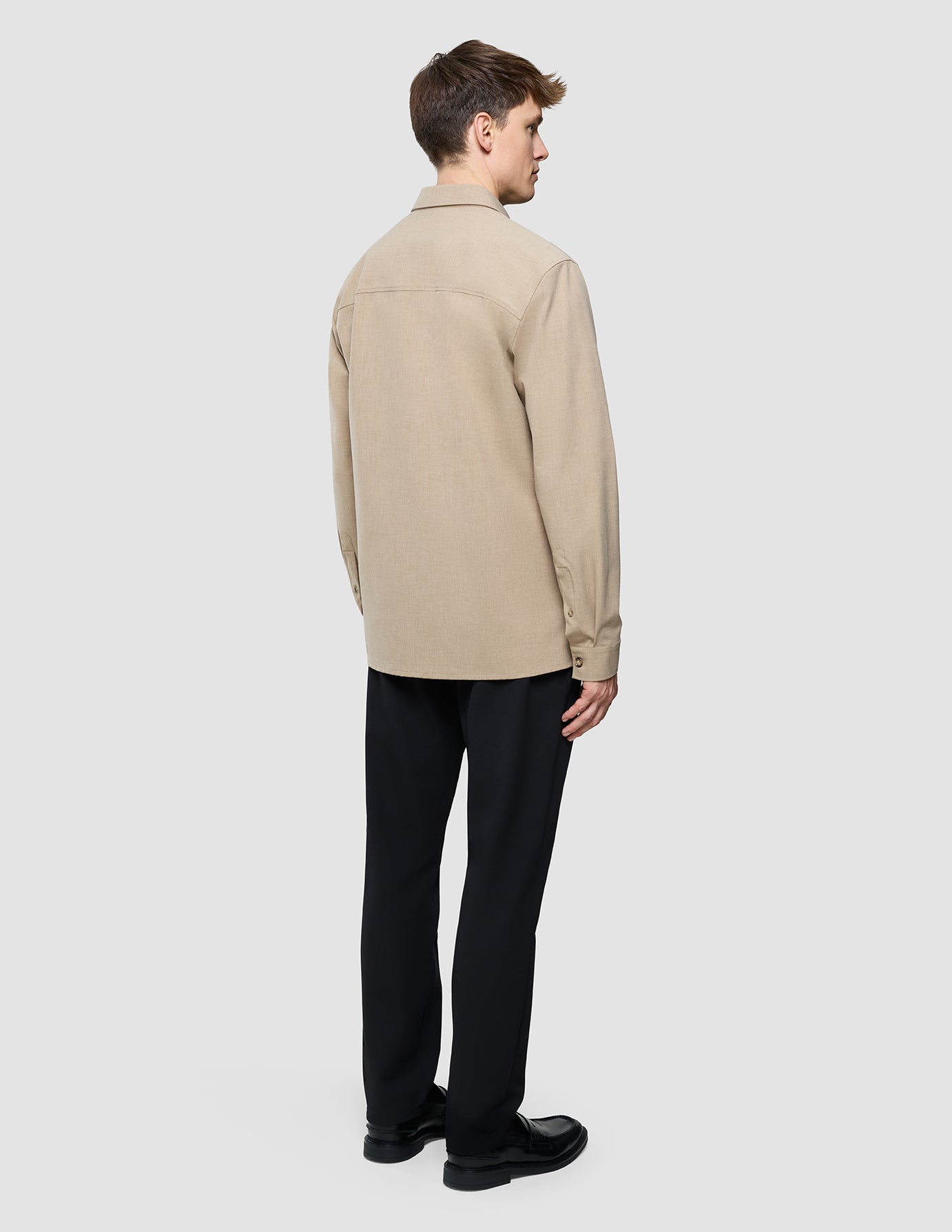
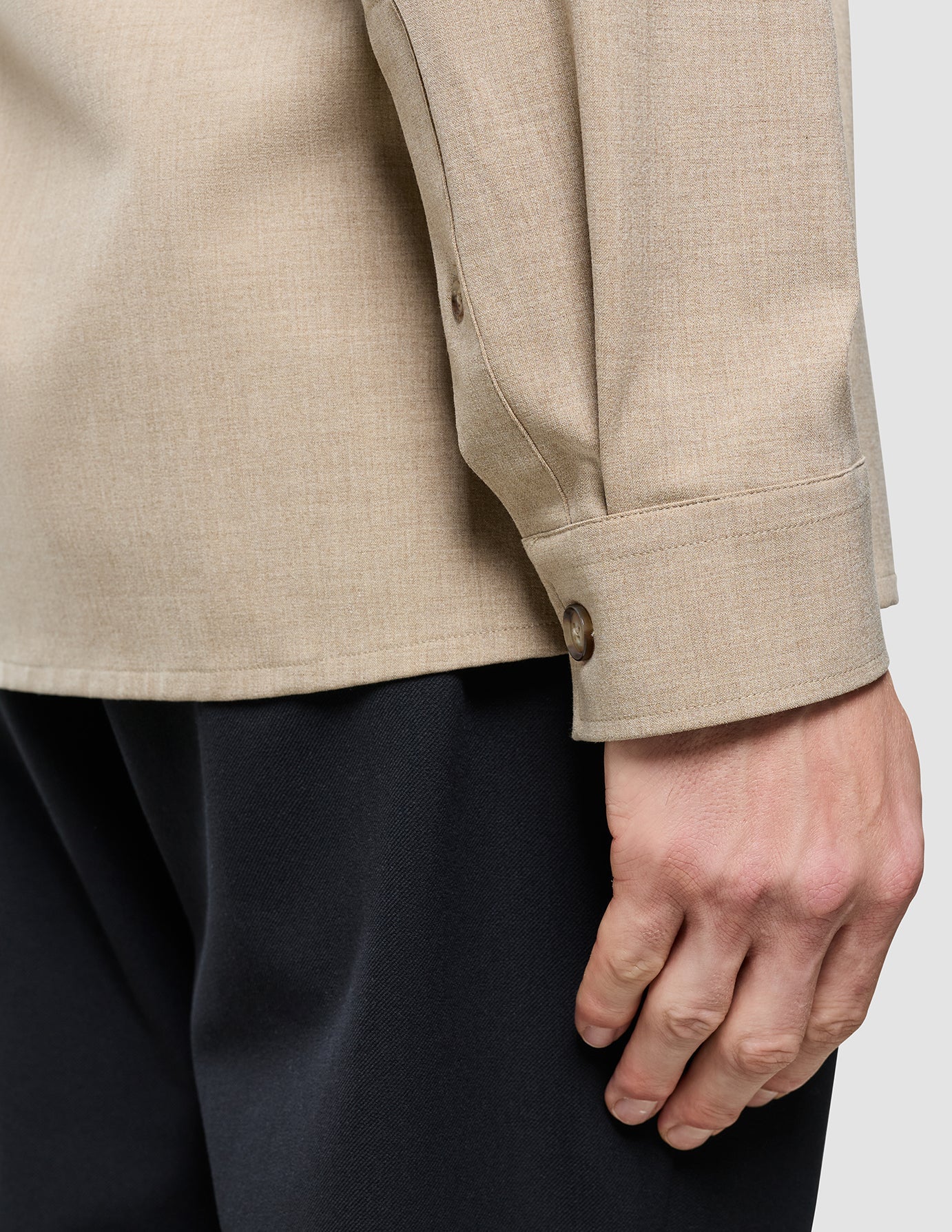
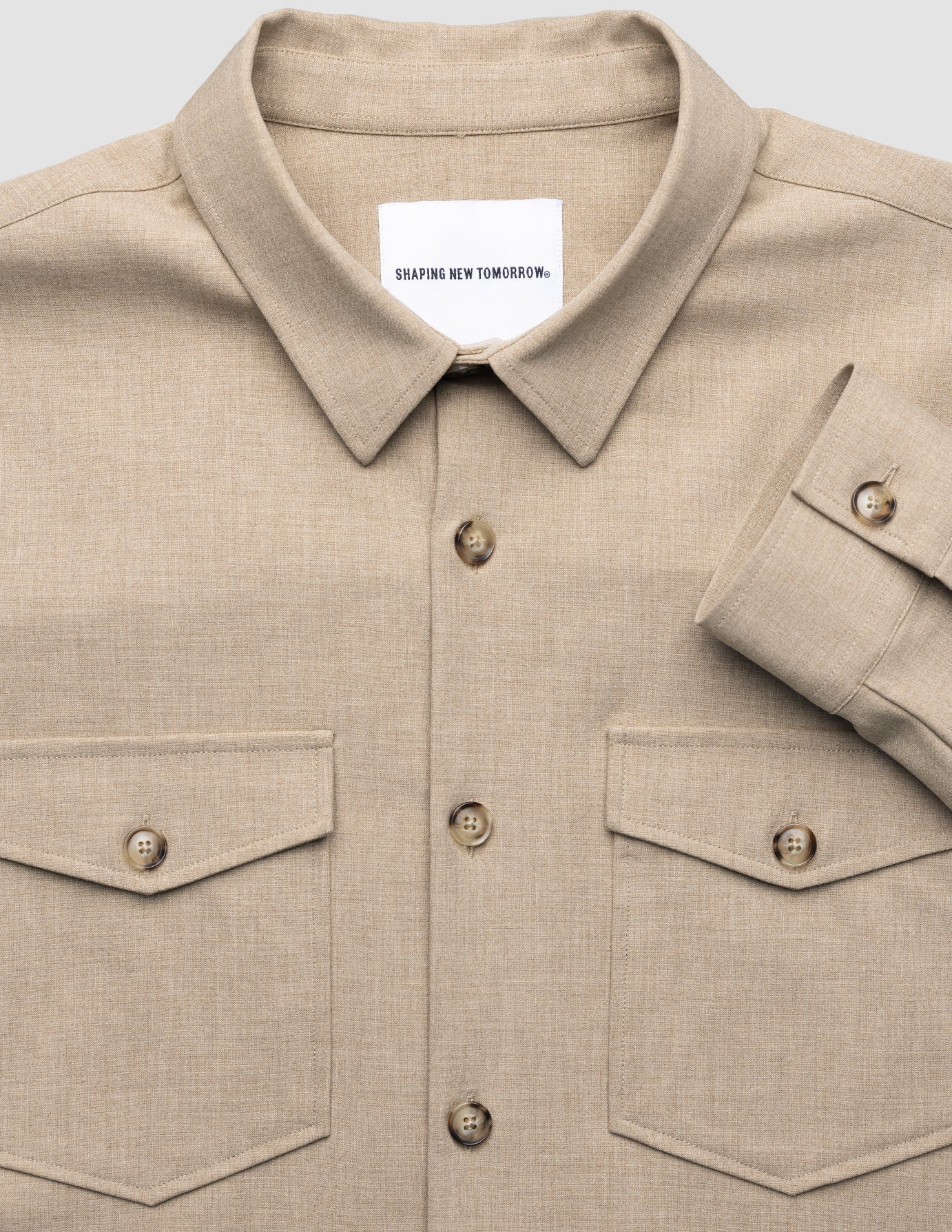








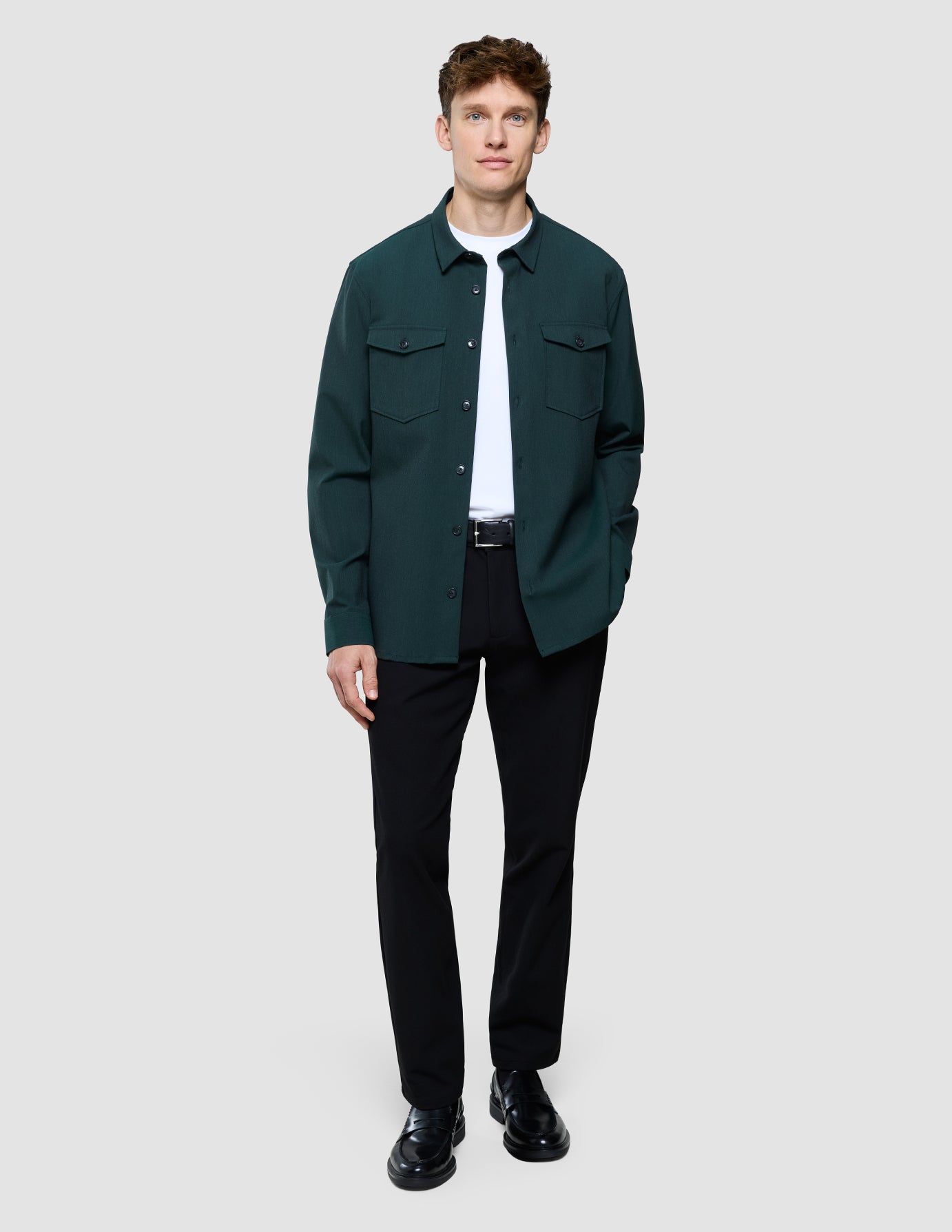
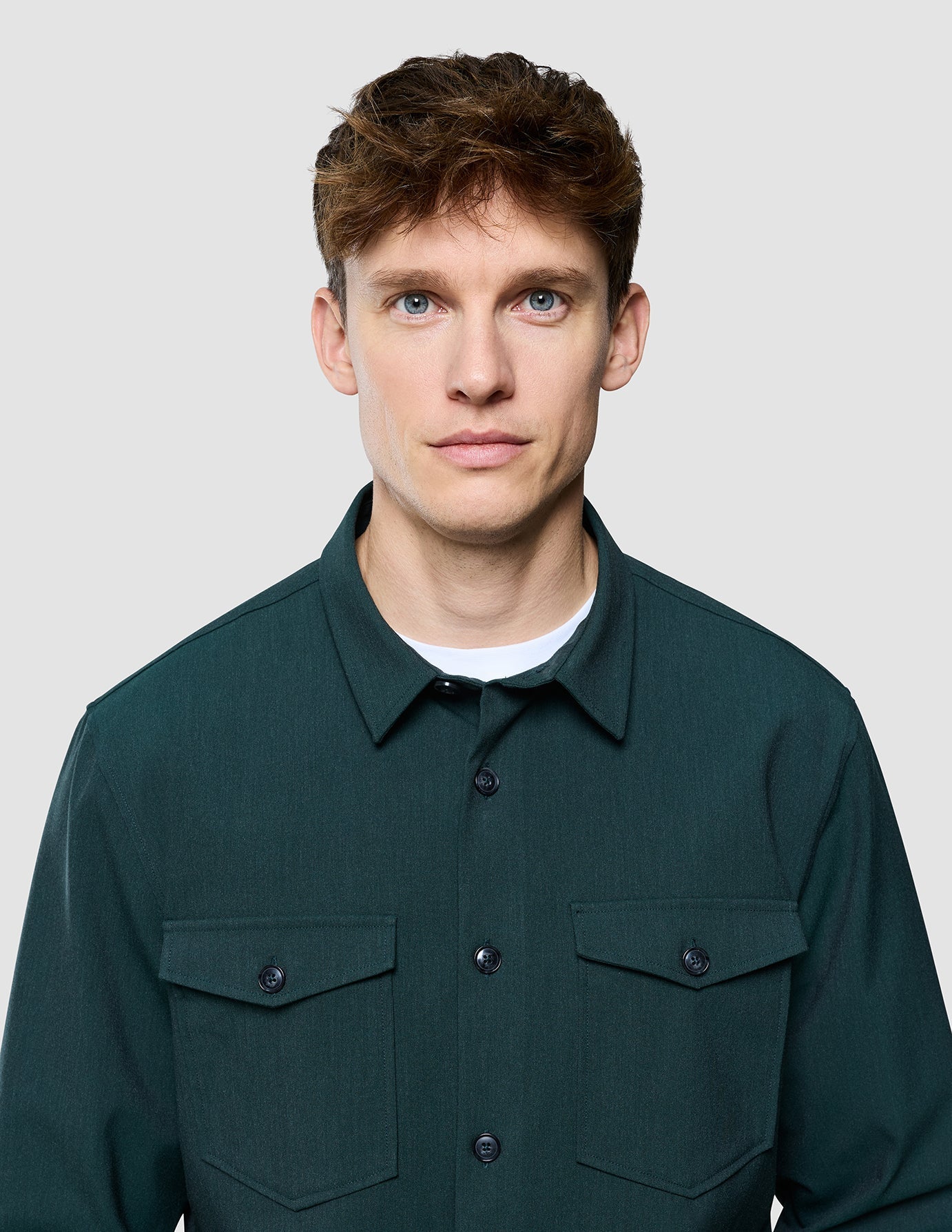
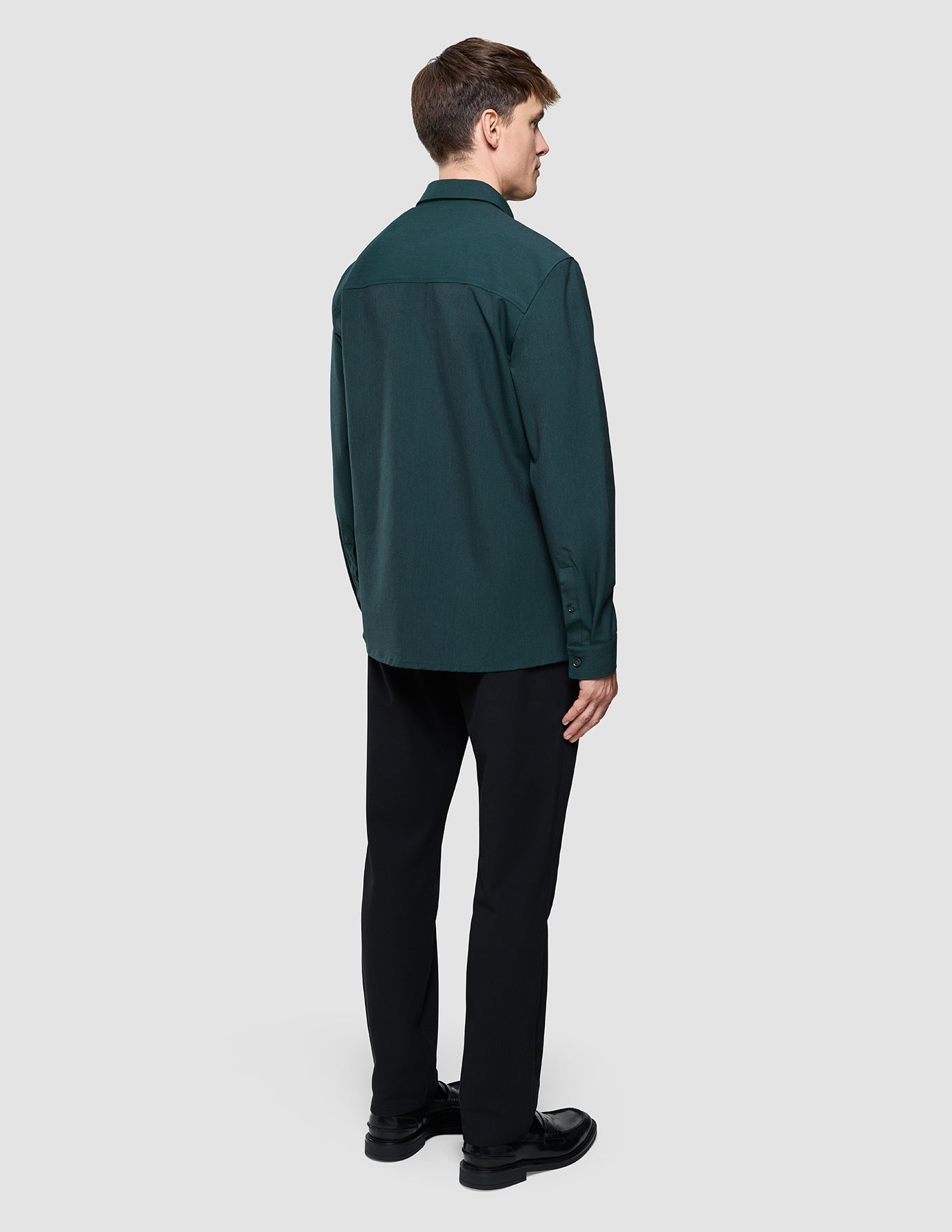

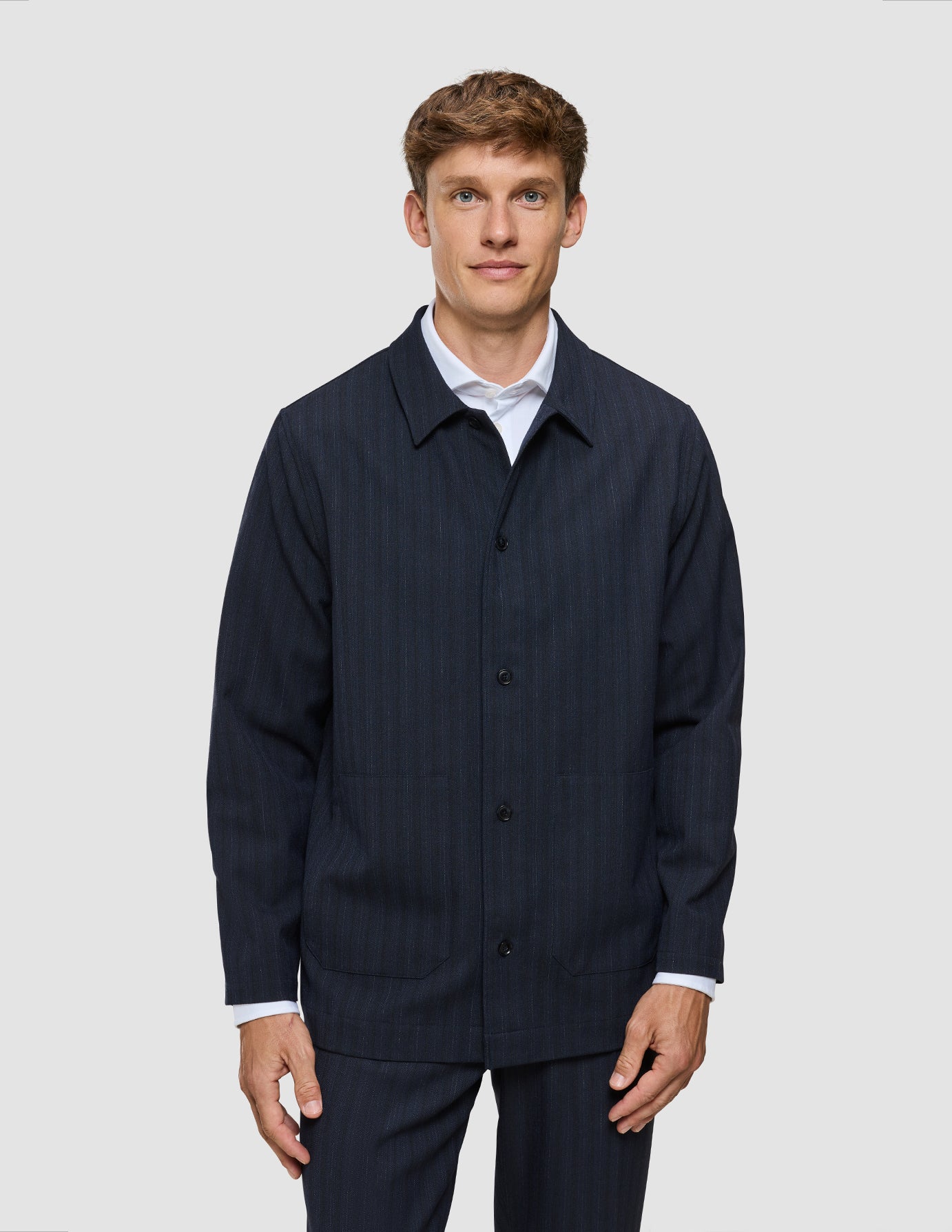


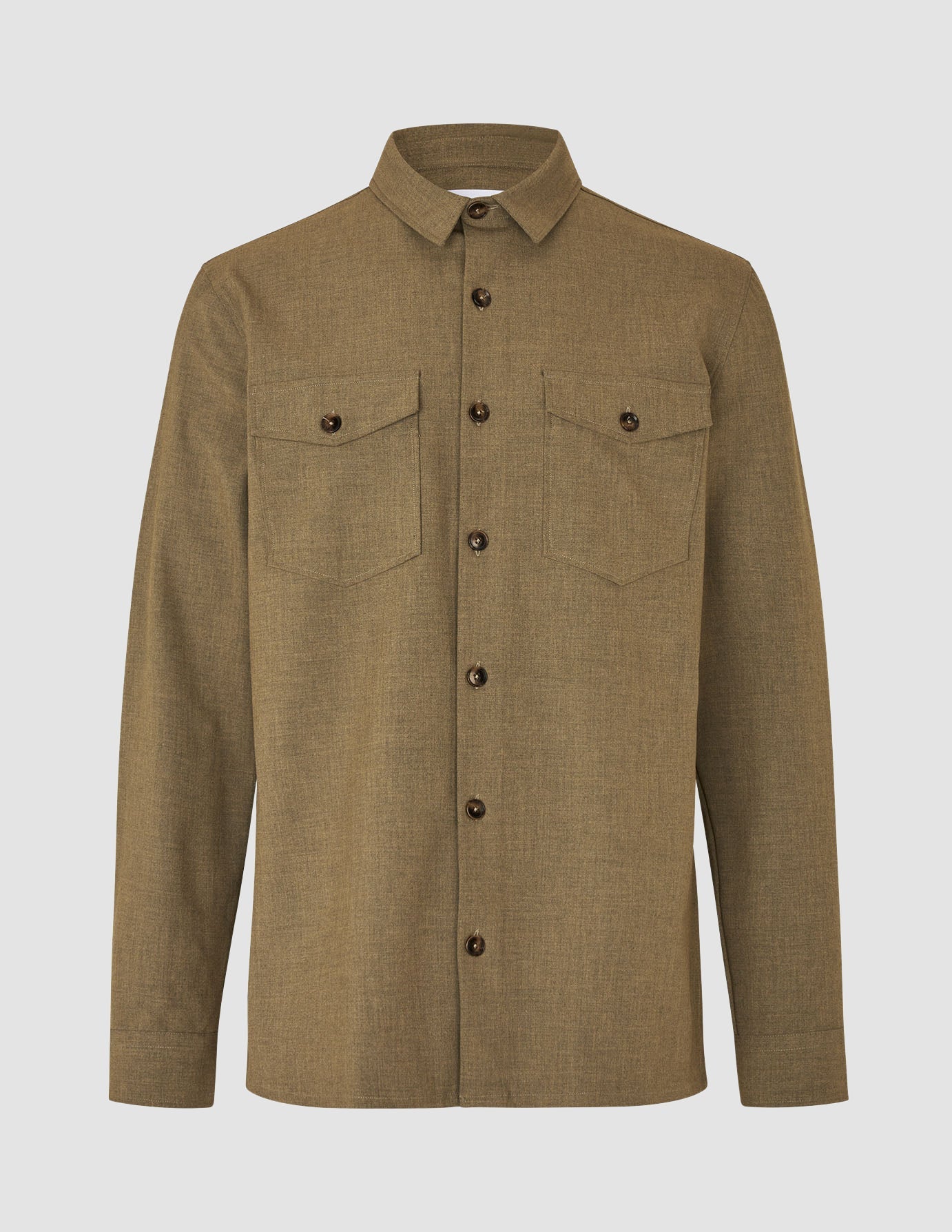


You've seen 32 out of 47 products

Why Overshirts Are a Smart Addition
Overshirts for men have really found their footing in modern wardrobes, and it's not hard to see why. They simply make sense. Think about those days when you step outside, and it's a bit too cool for just a t-shirt, but a heavy jacket feels like too much. That’s where an overshirt slides in perfectly. It’s that ideal middle layer that offers warmth without making you feel weighed down. It strikes a balance, giving you just enough coverage for changeable weather, making it a reliable piece you can count on through various seasons.
What truly makes overshirts for men stand out is how effortlessly they fit into almost any look. They’re not fussy, don’t demand much thought, and honestly, they just work with so many different items you already own. You can just grab one as you head out the door, confident that it will look good. This ease of wear is a huge part of their appeal. It’s about being practical without compromising on looking put-together.
Beyond just a simple layer, a good overshirt adds a subtle touch of considered style to your outfit. It sits perfectly between a casual shirt and a light jacket, offering a relaxed vibe that still feels intentional. This versatility means it’s great for a wide array of activities and settings. Planning a laid-back weekend brunch? An overshirt fits right in. Meeting friends for an evening out? It’s a solid choice. Even for those relaxed workdays, an overshirt can elevate your look without being overly formal. It adapts to your day, which is exactly what you want from clothes that genuinely serve your needs.
Plus, when you choose the right overshirt, you get built-in comfort features. Many options come with a comfortable stretch, so your movement is never restricted. You can reach, move, and go about your day feeling completely at ease. This fabric flexibility is a real game-changer. They also tend to resist wrinkles, which means less time fussing over ironing and more time enjoying your day. This makes them ideal for travel or just for keeping in your bag, ready to throw on whenever needed. And often, they come with water-repellent qualities, offering a bit of protection from unexpected light rain. These practical details collectively make overshirts for men a genuinely useful and smart addition to any closet.
The Different Styles of Overshirts
When you start looking at overshirts for men, you'll notice there's a range of styles, each with its own character and best use. It’s not about having every single one, but rather understanding what each type offers so you can pick the best fit for your daily needs and preferred aesthetic.
The Essential Overshirt
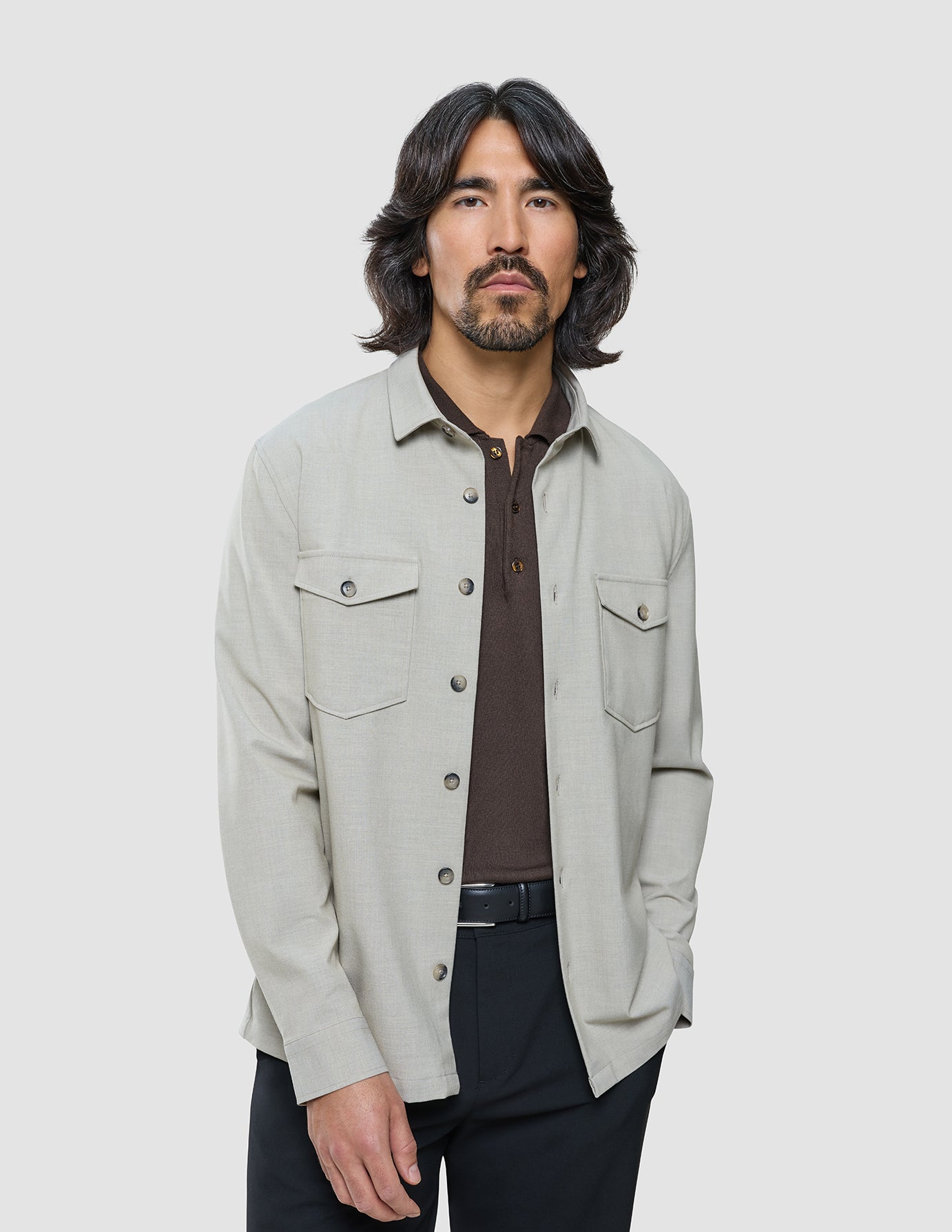
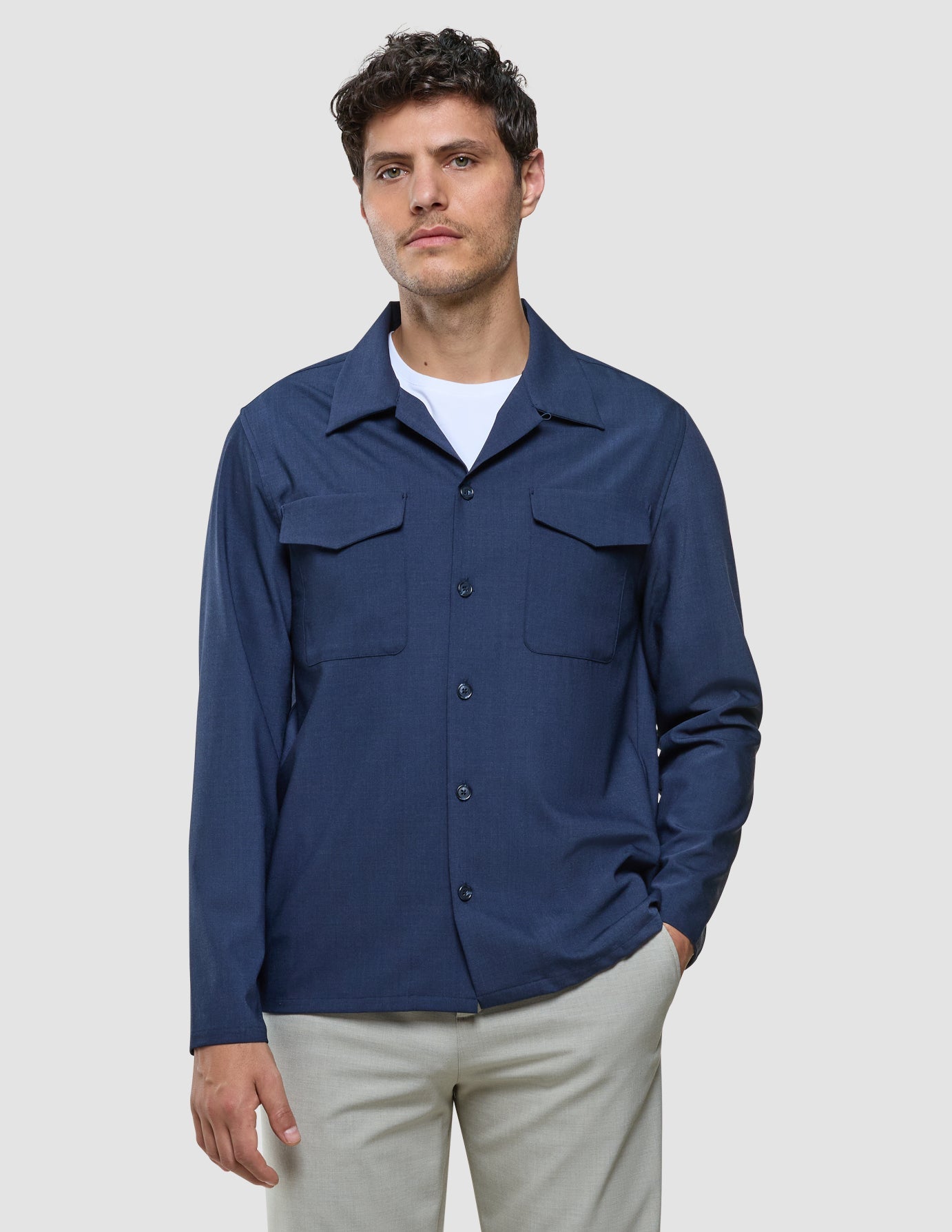
This is the workhorse of your wardrobe, the overshirt you reach for without a second thought. The Essential Overshirt is designed for those in-between weather days – when it's too warm for a full jacket but a single layer isn't quite enough. It's truly an adaptable piece that can be worn in many ways. You might wear it open over a basic t-shirt for a relaxed, casual look. Or, if the breeze picks up, button it over a light sweater or a long-sleeve tee for an extra bit of warmth.
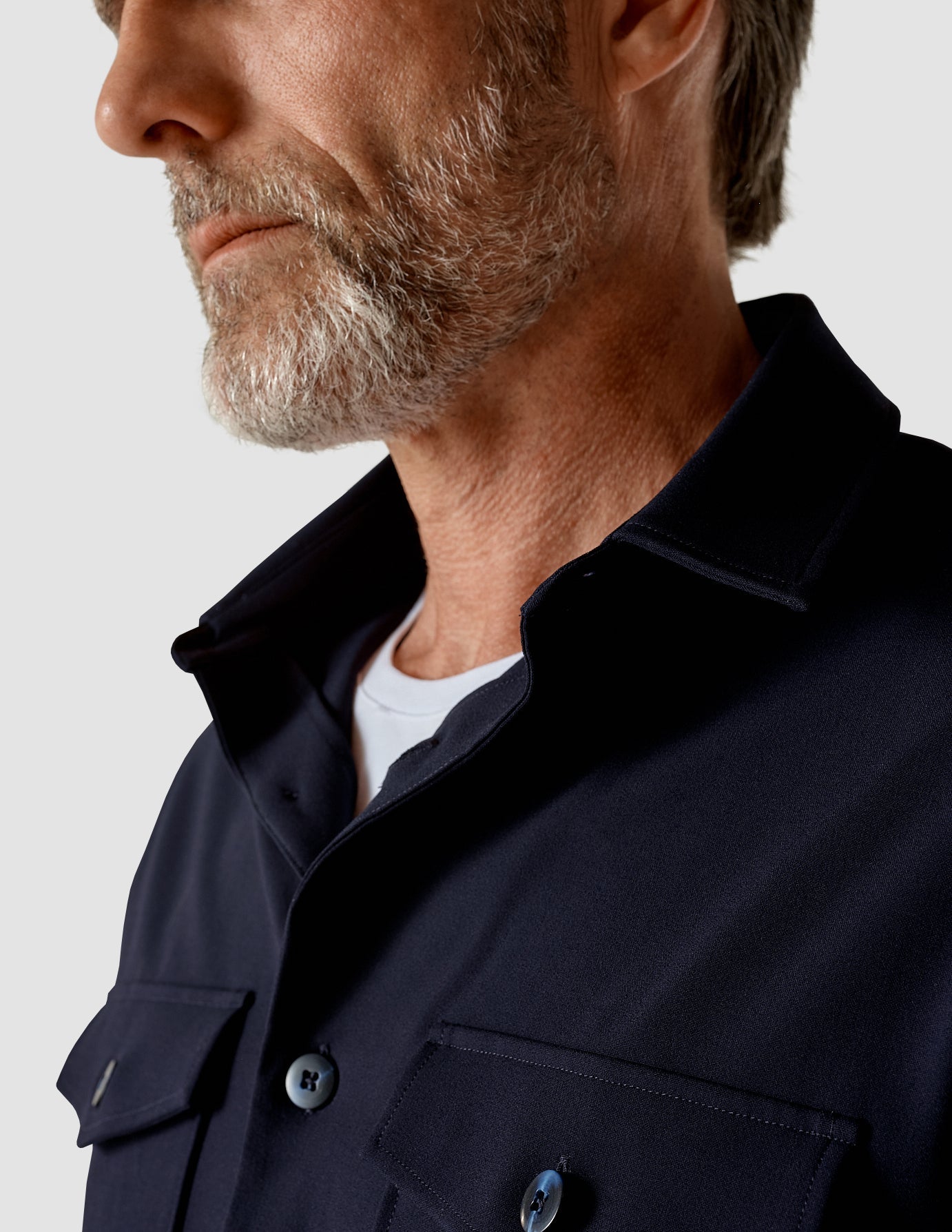
The idea behind an Essential Overshirt is simplicity and reliability. It often features a clean design with minimal fuss, focusing on a straightforward silhouette and functional pockets. These details make it easy to pair with almost anything, from jeans to more tailored trousers. Think about its role: it's not just a shirt, and it's not quite a jacket. It sits perfectly in the middle, ready to be layered or worn on its own as your primary outer layer in milder conditions. It's the kind of piece that quickly becomes a go-to because it effortlessly bridges the gap between different levels of warmth and formality.
The Heavy Edition Overshirt
When the chill really sets in, but you don't want to pull out your thickest coat, that's when the Heavy Edition Overshirt becomes your best friend. These overshirts for men are built with a noticeably more substantial fabric, giving them a weight and warmth that lighter versions don't offer. This extra density means they provide genuine insulation, making them suitable for crisp autumn mornings, cool evenings, or even as a substantial mid-layer under a heavier jacket when winter truly arrives.
While they offer more warmth, they still retain the characteristic versatility of an overshirt. You can wear it buttoned up like a warm shirt, or open over a thermal top for a rugged, layered look. The thicker material also contributes to a more defined silhouette, which can add a confident edge to your outfit. It’s a piece that feels solid and dependable, offering comfort and warmth without the bulkiness of a traditional coat. This style is about being prepared for cooler temperatures while maintaining a stylish and practical approach to dressing.
The Corduroy Overshirt
For those who appreciate texture and a touch of classic appeal, the Corduroy Overshirt is a fantastic option. Corduroy, with its distinctive ridged surface, immediately adds a visual and tactile dimension to any outfit. It's a fabric that carries a sense of heritage but remains completely relevant and stylish today. When you wear a Corduroy Overshirt, you’re not just putting on a layer; you’re adding a piece with character.
Beyond its unique look, corduroy is also known for being a comfortable and surprisingly warm fabric. This makes the Corduroy Overshirt an excellent choice for transitional seasons or even as a smart casual layer in milder winter weather. You can easily dress it up or down. Pair it with a simple t-shirt and jeans for a laid-back yet textured look, or wear it over a fine-knit sweater with chinos for something a bit more put-together. The range of colors available in corduroy also allows for expressive styling, from earthy tones to richer, deeper hues. This overshirt is perfect for adding depth and a bit of a retro-inspired flair to your collection of overshirts for men. It shows a thoughtful approach to dressing without ever feeling overly serious.
The Ease Overshirt
The name "Ease Overshirt" really sums it up. This style is all about maximum comfort and unrestricted movement. If you prioritize feeling completely at ease in your clothes, then this is the overshirt for you. It often features a more relaxed cut, giving you plenty of room without looking sloppy. This generous fit is intentional, allowing the fabric to drape comfortably around your body, rather than hugging it tightly.
An Ease Overshirt is the kind of piece you can throw on for a casual weekend morning, a relaxed day at home, or even when you're out and about running errands. It's designed to be comfortable from the moment you put it on, and it continues to feel good throughout the day. The fabrics used in these overshirts are typically soft and flexible, further enhancing that feeling of ease. You can layer it over almost anything—a basic tee, a casual tank, or even another light shirt. It’s a testament to the idea that true style can go hand-in-hand with absolute comfort. For men who value practicality and a laid-back aesthetic, the Ease Overshirt offers a consistent sense of effortless cool.
The Heritage Overshirt
For gentlemen who appreciate clothing with a story, a sense of timeless design, and a thoughtful approach to detail, the Heritage Overshirt is a compelling choice. This style isn't just about current trends; it draws inspiration from classic workwear or military garments, reinterpreting them with modern fabrics and refined touches. The result is an overshirt that feels both substantial and sophisticated.
Heritage Overshirts for men often boast distinctive features that set them apart.
Wearing a Heritage Overshirt is about making a statement of understated quality. It pairs wonderfully with rugged jeans for a look that's grounded and authentic, or you can use it to add a layer of depth over a collared shirt with chinos for a smart casual ensemble.
Finding Your Overshirt Fit
The fit of an overshirt for men is more important than you might initially think. It’s not just about whether it buttons up; it’s about how it feels when you move and how it contributes to your overall appearance. A well-fitting overshirt should enhance your comfort and style, not hinder it.
First off, remember that an overshirt isn't meant to be tight. Its very purpose is to be a versatile outer layer, often worn over other clothing like a t-shirt or a light sweater. This means you need a bit of room. When you try one on, do a quick check: can you comfortably lift your arms, reach across your body, and generally move without the fabric pulling or restricting you? If you feel any strain, it's likely too small.
Pay close attention to the shoulder seams. Ideally, they should sit either right at the edge of your natural shoulder or, if it’s designed for a more relaxed aesthetic, slightly dropped. If the seams are significantly pulling in towards your neck, the overshirt is too narrow. Conversely, if they hang too far down your arm, giving a baggy appearance, it’s probably too wide in the shoulders. The aim is a comfortable drape that still acknowledges your frame.
The body of the overshirt should also offer a comfortable amount of space. You should be able to button it up easily, without any gaping or pulling around your chest or stomach. It shouldn’t be loose enough to look shapeless, but definitely not snug. A good test is to see if you can comfortably wear a thin layer underneath it. This ability to layer is key to an overshirt's function, so ensure there's enough room to do so without feeling bulky.
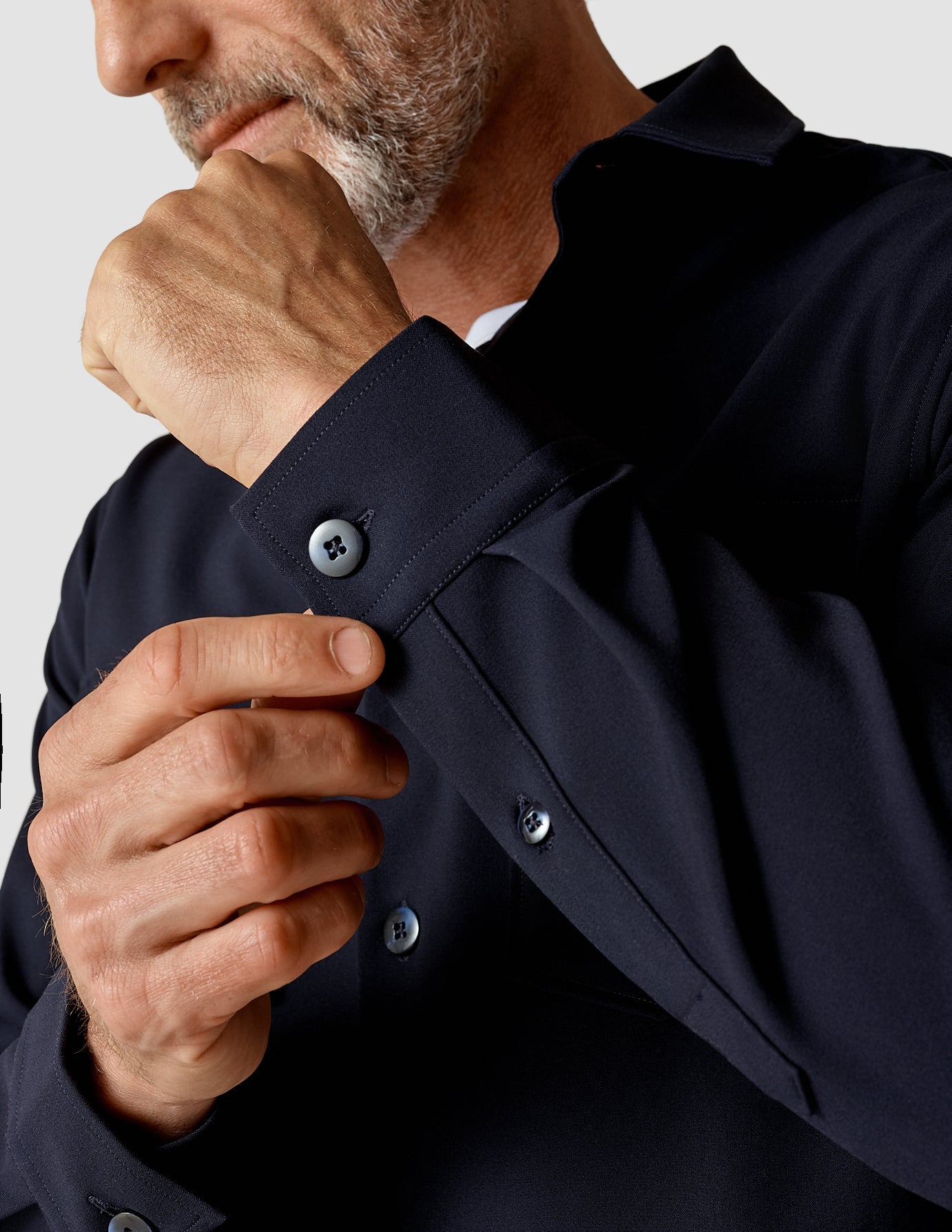
Sleeve length is another detail to consider. When your arms are relaxed at your sides, the cuffs of the overshirt should typically fall around your wrist or just slightly past it. If they’re much shorter, the overshirt can look undersized, and if they’re too long, they can get in the way or look untidy.
For those who prefer a more streamlined silhouette, look for overshirts labeled as "tailored" or "figure-fitted." These options will follow the lines of your body more closely than a standard fit, but still offer that essential room for movement and layering. They provide a sharper, cleaner outline. If your preference leans towards a more casual, relaxed, or even slightly oversized look, intentionally choose styles that are cut with more room in mind. The goal is that this added room feels deliberate, contributing to the style, rather than just being a result of poor sizing.
Ultimately, finding your perfect overshirt fit often comes down to trying on a few different styles and sizes. Move around in them, layer them as you normally would, and see what feels the most comfortable and looks the most effortless on you. The right fit makes all the difference in how much you enjoy wearing your overshirt.
Materials and Their Feel
The material an overshirt is crafted from plays a huge role in its overall character, how it feels against your skin, and how it performs throughout your day. It’s not just about what something is made of; it’s about the unique experience that each fabric brings to your wardrobe. When exploring overshirts for men, paying attention to the material can really help you choose a piece that aligns with your lifestyle.
Many overshirts benefit from intelligent fabric blends.
Take corduroy, for instance. A Corduroy Overshirt immediately stands out with its distinct ribbed texture. This isn’t just a visual detail; the corduroy weave gives the fabric a noticeable weight and warmth, making it an excellent choice for cooler days when you need a bit more insulation than a regular shirt can provide. The texture also adds a casual, inviting tactile quality to your outfit, which can add a lot of personality to a simpler look. It’s the kind of fabric that feels substantial and lived-in, conveying an approachable, classic vibe.
Then there are options like matte denim. A Matte Denim Overshirt brings a rugged, enduring appeal. The matte finish offers a slightly more refined and contemporary aesthetic compared to traditional shiny denim. This subtle difference makes it easier to dress up or down, allowing it to seamlessly fit into various outfits. It's a dependable fabric that simply improves with age and wear.
Other overshirts might use a twill weave. This is a common fabric construction characterized by diagonal rib patterns. The versatility of twill makes it a popular choice for everyday wear, offering comfort without sacrificing a polished appearance.
Finally, the incorporation of stretch is a thoughtful detail in many modern overshirts. This is often achieved by blending in specific elastic fibers or through innovative fabric constructions. This integrated stretch means the overshirt moves fluidly with your body, eliminating any feeling of restriction. It’s a subtle yet significant comfort feature, especially useful for men who are active throughout their day or simply appreciate unrestricted movement. This type of fabric also frequently contributes to the garment's wrinkle resistance, which is always a welcome bonus for busy schedules.
Ultimately, the best material for your overshirt depends on what you're looking for. Do you need something soft and flexible for casual daily wear, a rugged option for a more outdoor-inspired look, or a textured piece to add visual interest? Each material offers its own distinct set of advantages, allowing you to choose an overshirt that perfectly matches your personal preferences and needs.
Styling Your Overshirt for Any Moment
The real beauty of overshirts for men lies in their incredible adaptability. They’re like that one friend who can seamlessly fit into any social setting – always appropriate, always comfortable. This makes them a true cornerstone for building a versatile wardrobe. You can effortlessly switch your vibe from super relaxed to more refined, all with one key piece. It’s about making your clothes work harder for you, giving you endless options without a closet full of garments.
For those days when you just want to keep things easy and comfortable, simply throwing your overshirt over a classic t-shirt is a fail-safe move. This combination is a staple for a reason: it's clean, it’s comfortable, and it always looks good. Whether you pick a crew neck, a V-neck, or a henley underneath, the overshirt instantly adds a layer of depth and a hint of structure to your casual foundation. Pair this with comfortable chinos or a well-fitting pair of jeans, and you’re ready for anything from a quick errand run to a laid-back weekend hangout. It offers that perfect level of warmth and style when the weather isn’t making up its mind, without feeling overly dressed or underdressed.
If the occasion calls for something a bit sharper, but you still want to maintain a relaxed edge, try layering your overshirt over a finely woven collared shirt. This could be a solid color dress shirt or one with a subtle pattern, chosen to complement the overshirt's color. You can button the shirt underneath all the way up, then either leave the overshirt open, or button just one or two of its top buttons for a more deliberate, smart-casual look. This ensemble instantly elevates your style, making it perfectly suitable for a creative office environment, a casual dinner reservation, or even an evening event. To complete this, opt for tailored trousers, clean-cut chinos, or even a dark wash pair of jeans. The overshirt here acts as a softer, less formal alternative to a blazer, offering a sophisticated layer that keeps things feeling approachable.
Overshirts are also a fantastic tool for playing with different textures in your outfit. Or, if you have a rugged Matte Denim Overshirt, try layering it over a fine-gauge knit sweater. This mix of soft and substantial fabrics adds a captivating depth and character to your look, showing a thoughtful approach to personal style without being overly complicated. These combinations not only look good but also add an interesting tactile element to your ensemble.
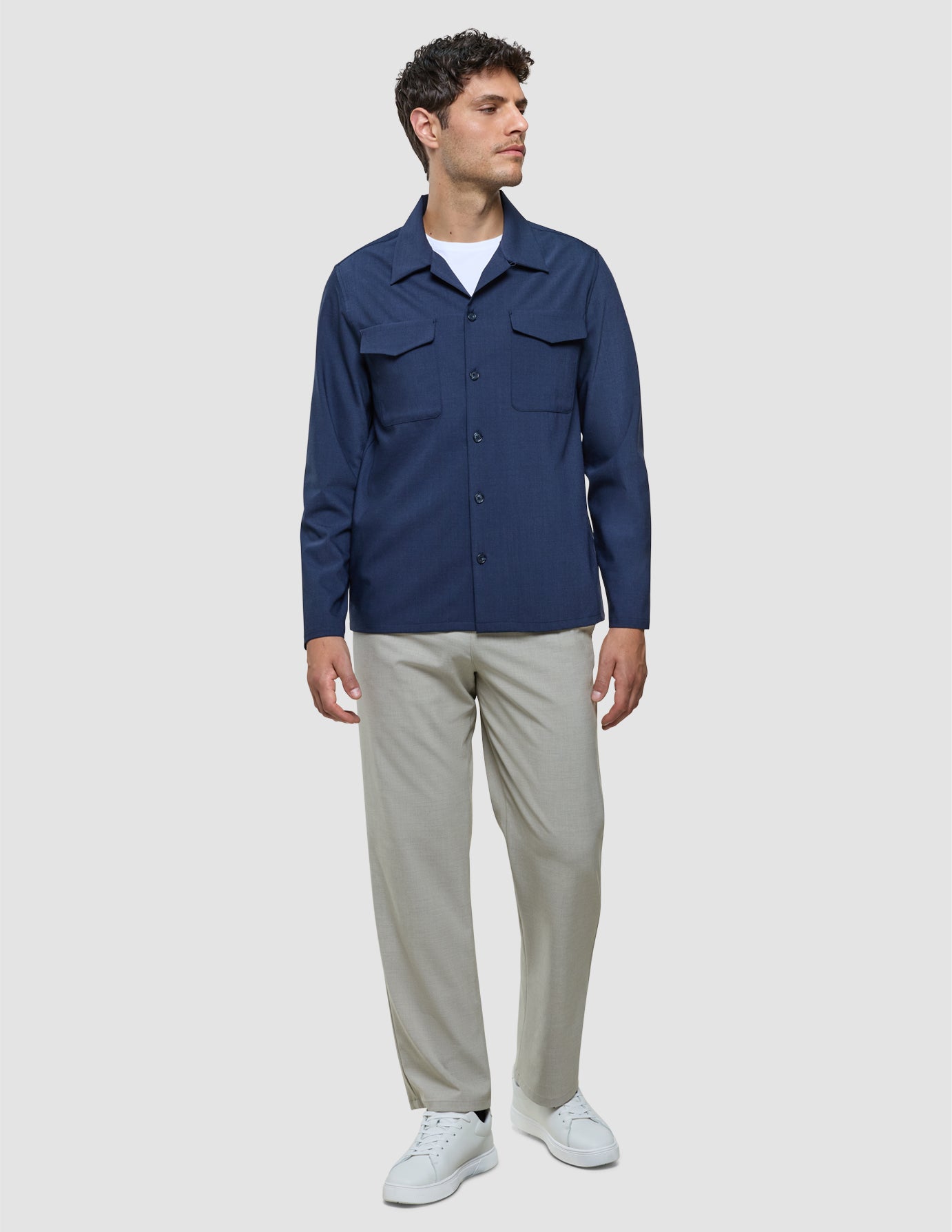
Don’t forget that on milder days, your overshirt can serve as your primary outer layer, effectively replacing a light jacket. Worn buttoned up, perhaps with only a thin long-sleeve tee underneath, it provides just enough warmth and protection. This works well with trousers that have a clean, modern line, creating a look that’s both functional and refined. It’s about embracing the versatility of the garment and letting it perform multiple roles in your daily dressing.
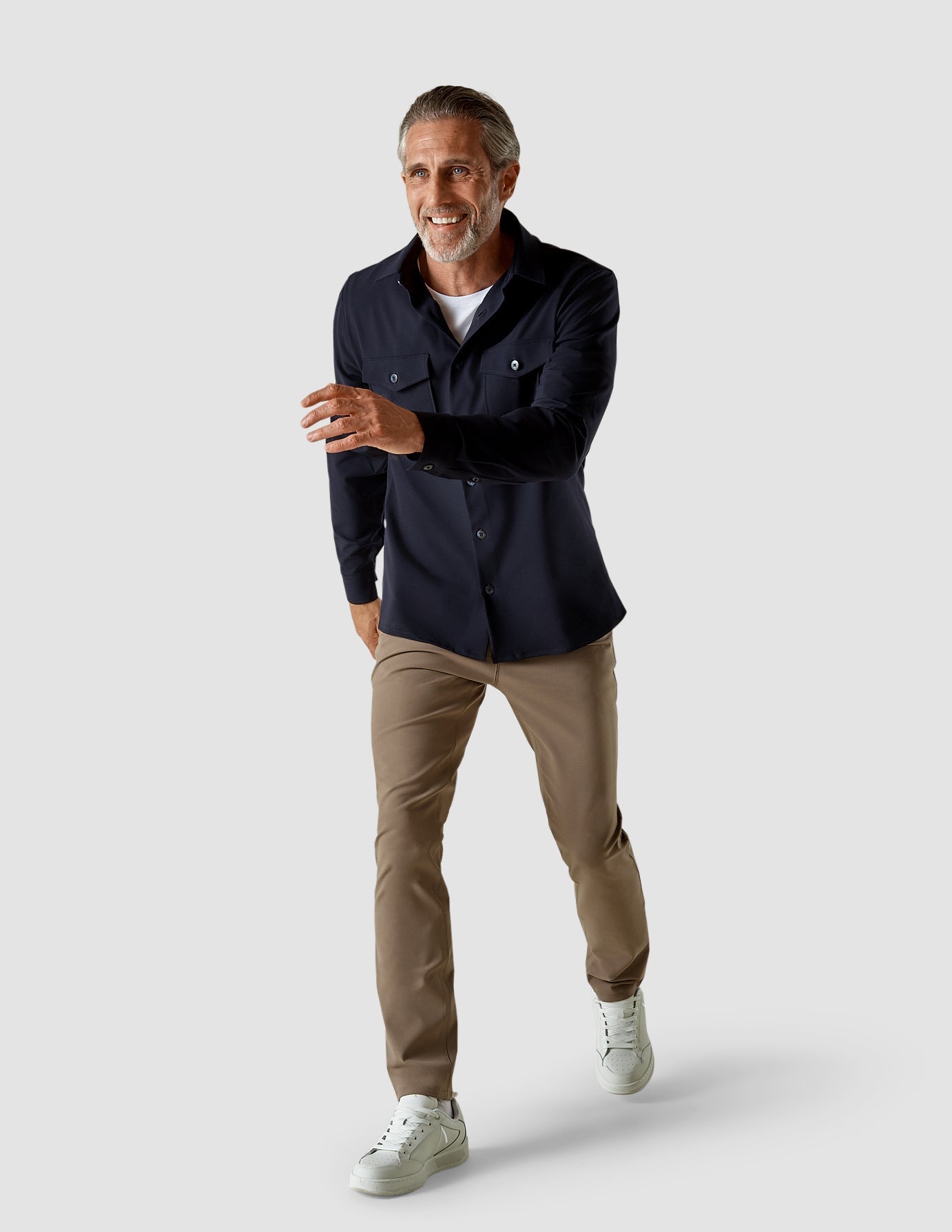
Finally, consider the color palette. Overshirts for men typically come in versatile, muted tones such as navy, various shades of grey, earthy browns, or deep greens. These colors are inherently easy to integrate into an existing wardrobe, as they rarely clash and provide a strong foundation for building outfits. You can use a lighter overshirt to add a subtle pop against darker foundational pieces, or a darker one to ground a brighter inner layer. The key is to find colors that resonate with your personal style and that you feel comfortable wearing. The beauty of an overshirt is that it doesn’t dictate how you should wear it; it simply provides a comfortable, stylish, and adaptable option for countless moments, making it a reliable and cherished part of your everyday dressing.
Tips for Caring for Your Overshirt
A little bit of attention after each wear can go a long way in preserving the feel and appearance of your favorite pieces.
The most important step is always to take a quick look at the care label sewn inside your overshirt. This small tag is packed with specific instructions from the manufacturer, and following them is the easiest and safest way to ensure you're treating the fabric correctly. Different materials, even within overshirts, have varying needs. What might be fine for a rugged denim overshirt could be too harsh for a softer, more delicate blend. So, make it a habit to check the label before you do anything.
For many structured or blended overshirts, especially those with unique textures like a Heritage Overshirt, dry cleaning is often a recommended option. This method is fantastic for maintaining the fabric's original shape, color, and integrity, ensuring it keeps that fresh, put-together look you love.
If your overshirt's care label indicates it's suitable for home washing, generally, a gentle cycle with cold water is the best approach. Opt for a mild detergent, which is gentler on the fibers and less likely to cause any damage. When it comes to drying, air drying is almost always the superior choice. If you do need to use a dryer, always select a low heat setting and remove the overshirt while it’s still a little damp, then let it finish air drying. This prevents over-drying, which can make fabrics stiff or cause them to wear out faster.
Beyond washing and drying, there’s another simple trick to extend the life of your overshirt: spot clean small spills or marks as soon as they happen. Addressing a minor stain immediately can often prevent it from setting in and becoming a bigger problem that requires a full wash. A damp cloth and a gentle dab are often all it takes.
Proper storage is also key. When you’re not wearing your overshirt, hang it on a good quality hanger that supports its shoulder shape. Giving your clothes a little breathing room helps them stay fresh and ready to wear.
By incorporating these straightforward care tips into your routine, your overshirt will remain a reliable, comfortable, and stylish part of your everyday wear.